#SelfiesWithSullivan 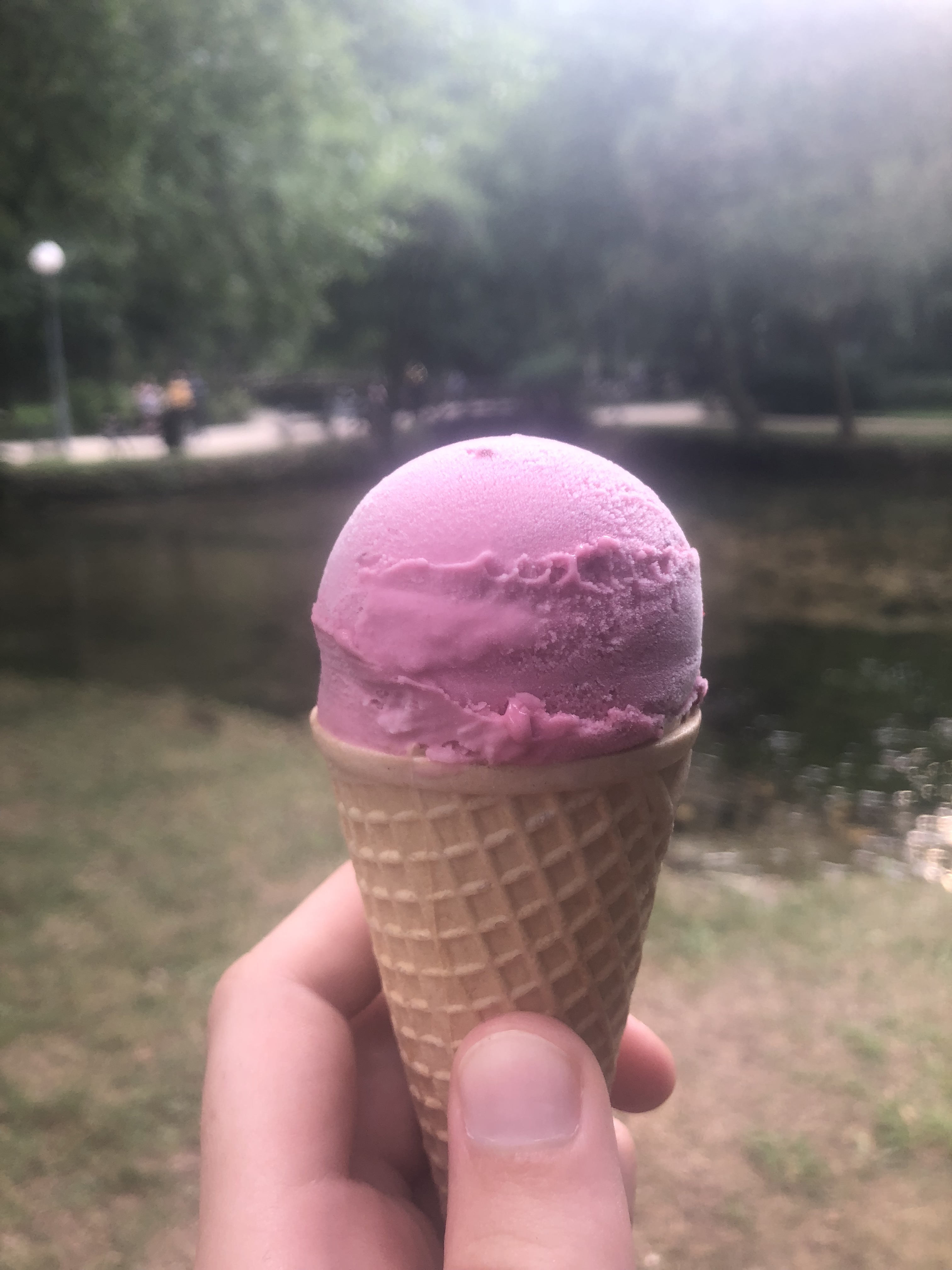
Gelato at Vrelo Bosne 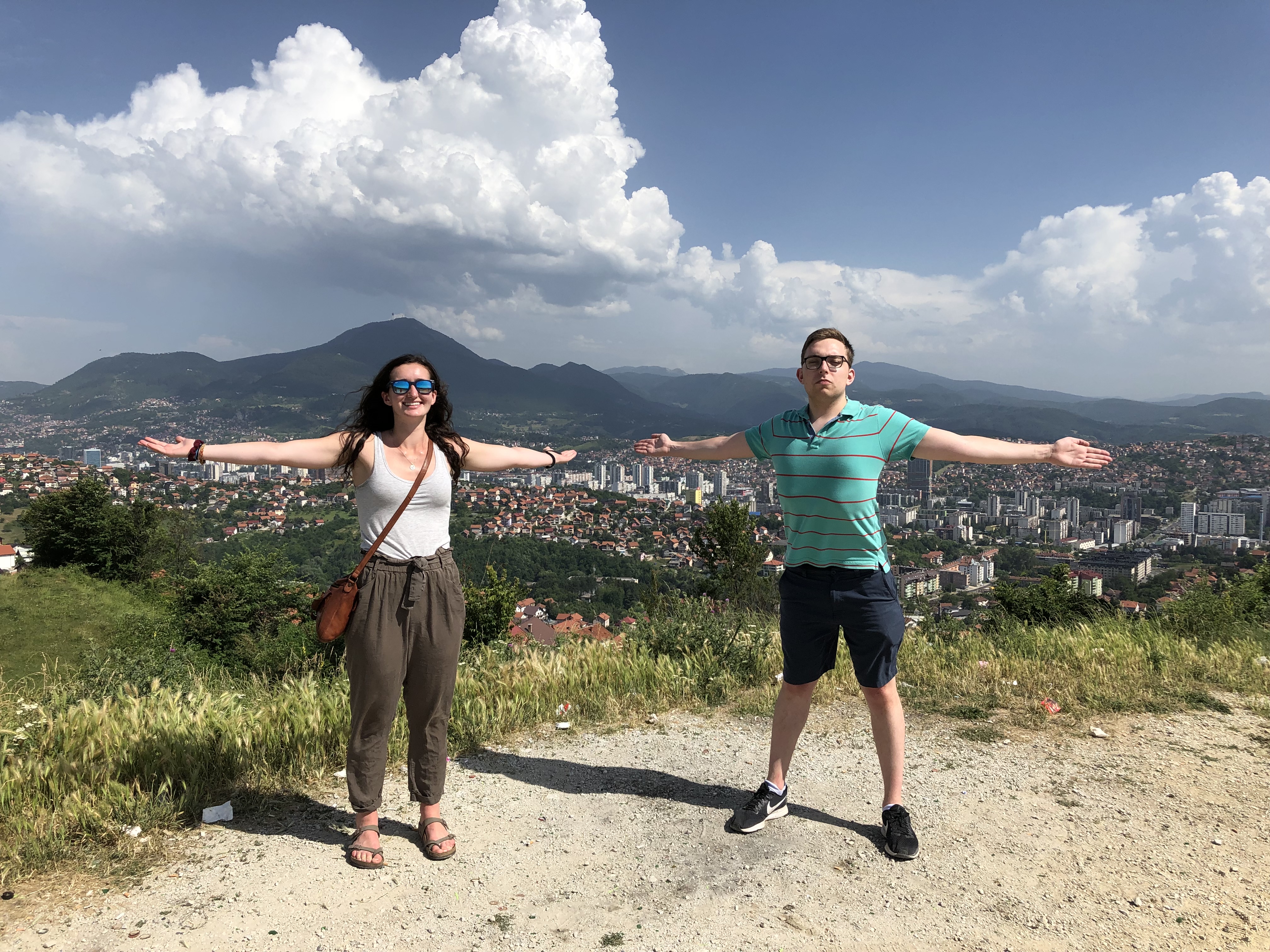
Žuč Hill 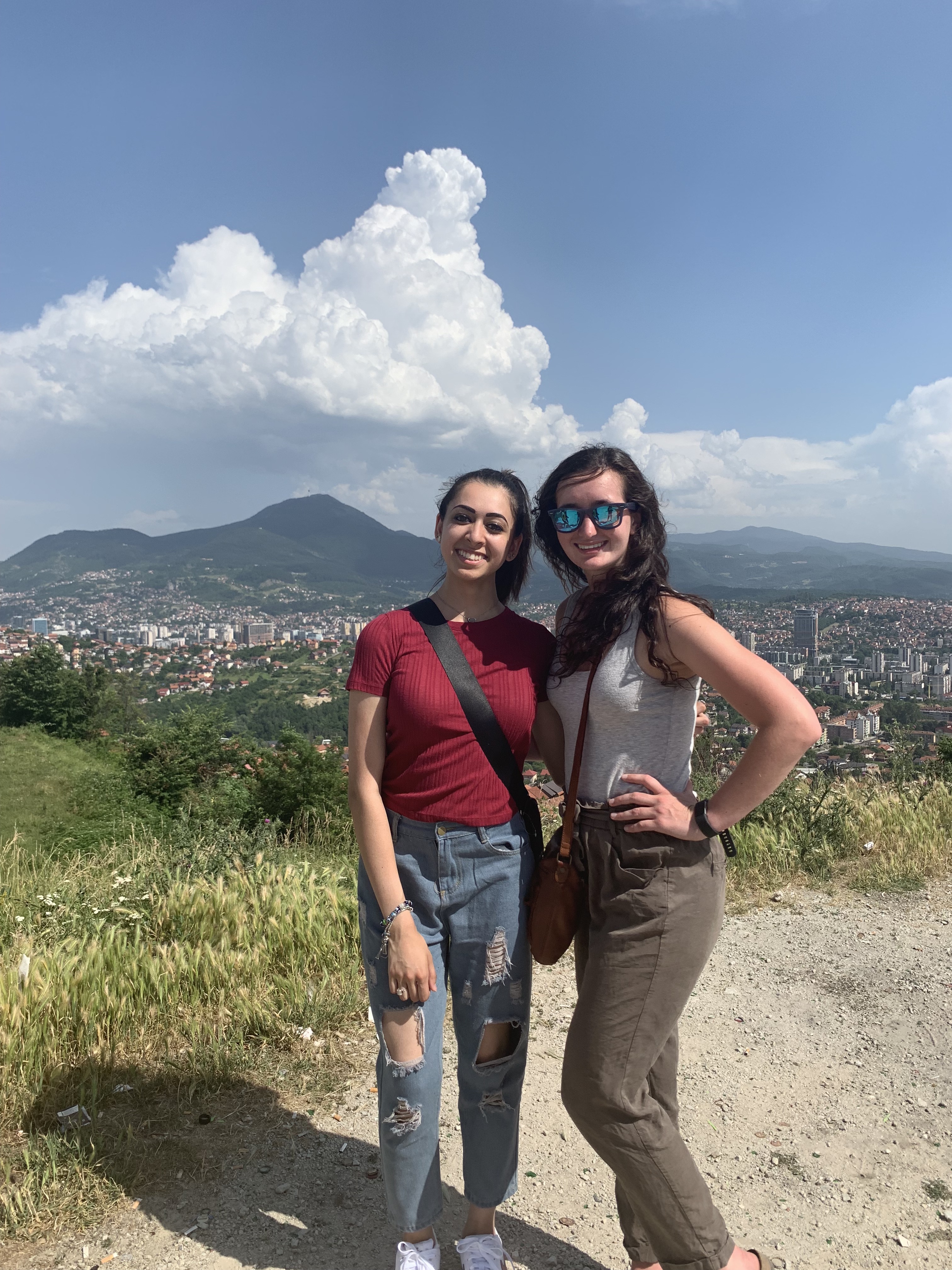
Žuč Hill 
Sunset Over Boston 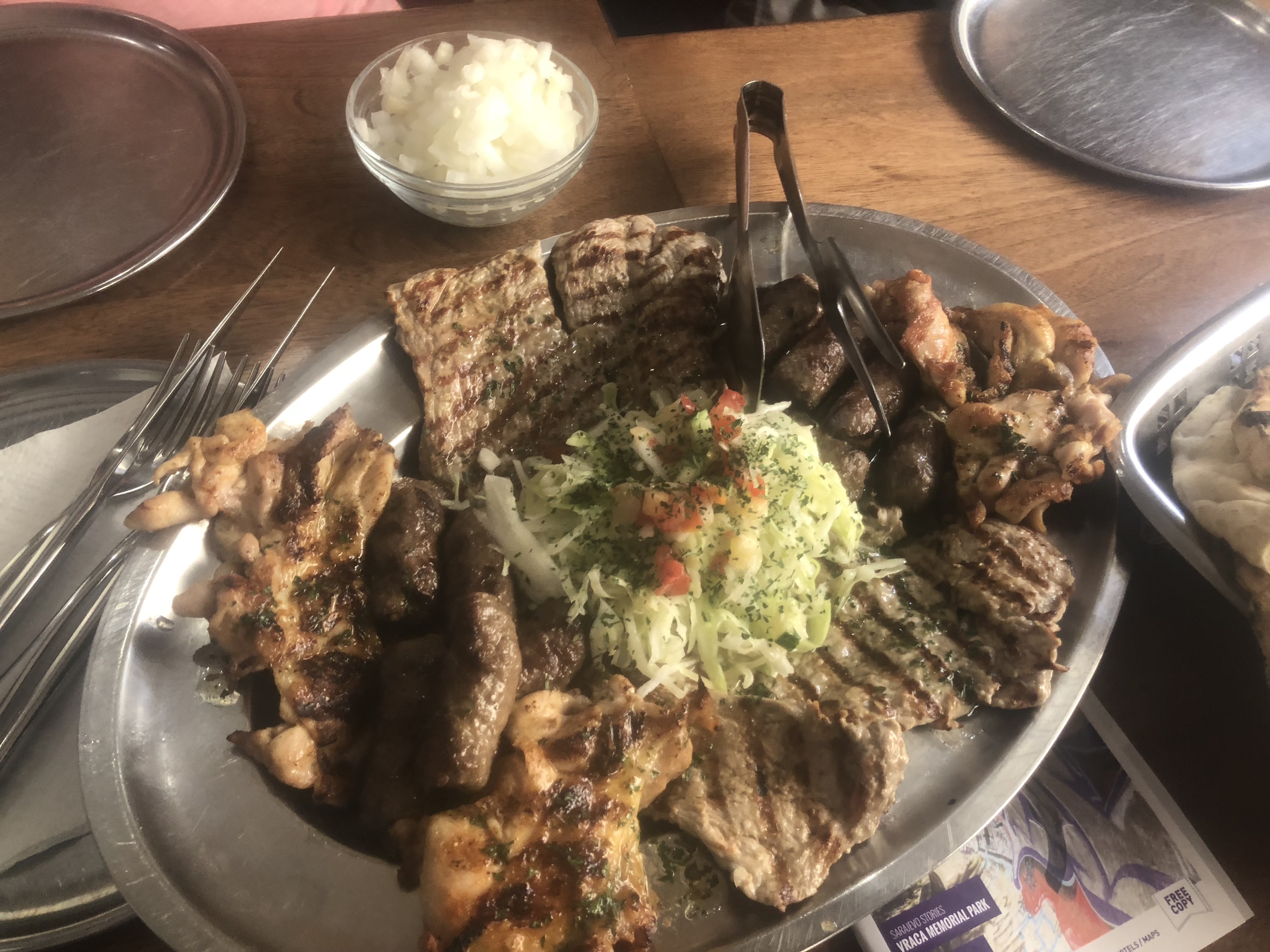
Lunch at Petica 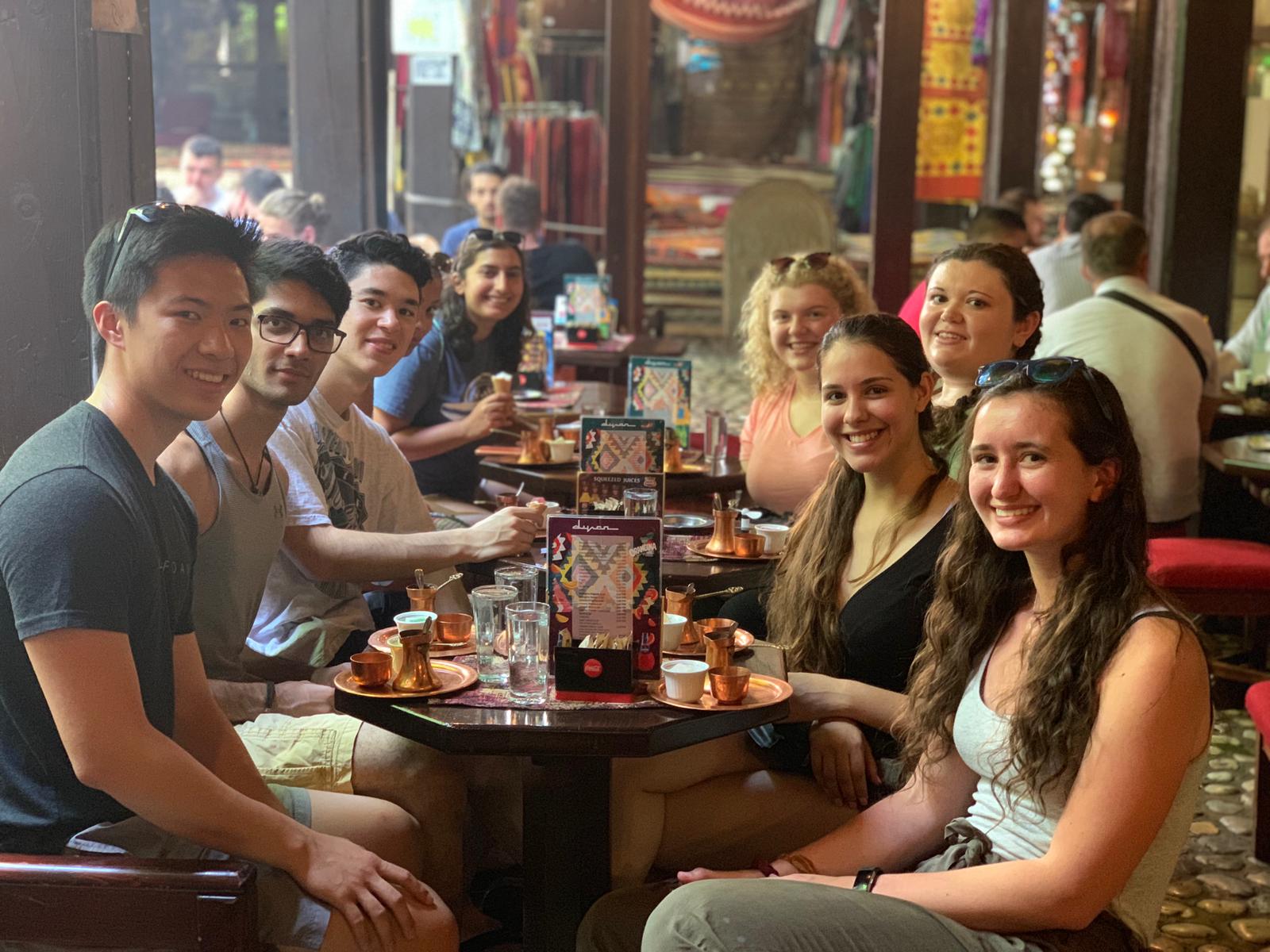
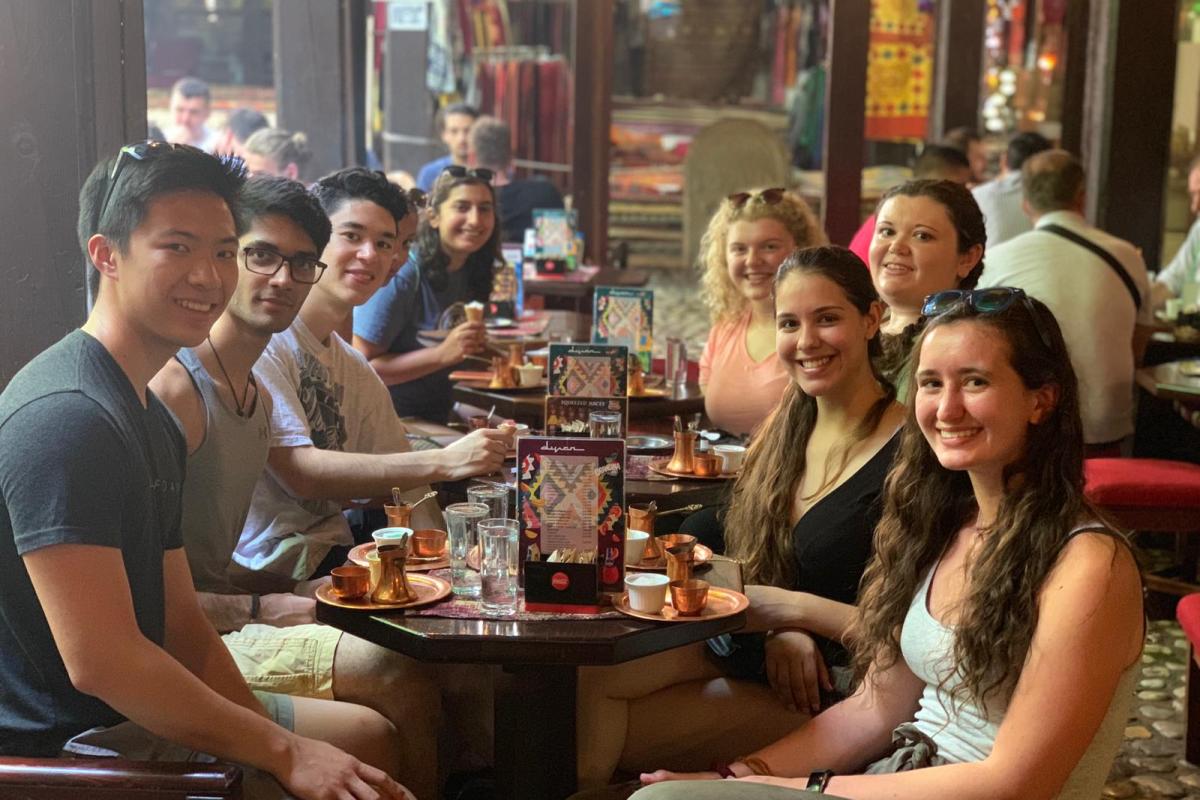
Bosnian Coffee
When I first decided to apply to this Dialogue, I knew absolutely nothing about this region, whether it be in regard to its rich culture and history or its present state. Within the first few days of being here, I have already learned so much.
In regards to cultural practices, I am shocked by the relationships between the Bosniaks, Serbs, Croats, and other groups within Bosnia. While there appears to be relative peace within the city of Sarajevo, based off of my limited time here, there are obviously still remaining tensions from the war. The first time I was able to identify this was when I learned that the Bosnian, Serbian, Croatian, and other languages are only superficially different. While there are certain differences between words, pronunciations, and other aspects of speech, they are the same language.
After learning more about people’s specific experiences from the war, specifically from the commander at Žuč Hill and the Srebrenica genocide survivor, the war that took place over two decades ago seemed more real to me. It is one thing to learn about war in the classroom, and it is a completely different thing to learn about it while standing next to the same trenches that the commander fought in while defending Sarajevo from the Serbs.
In regards to the latter speaker, I found it extremely difficult to try to imagine what he had to experience and how he has coped with it over the years. Specifically, I am still struggling to understand the motivations of certain actors. I do not understand why the Dutch UN Peacekeepers would allow the Serbs to murder all of the Bosniaks who were in their custody while they had the ability to prevent it. While I found his talk to be exceptionally insightful to this horrible event, I feel as though there were many missing pieces. I understand that this was a traumatic experience for him and that it is extremely difficult for him to share, but it seems as though there was information that could have only come from other perspectives.
In regards to the debate over whether or not this was a genocide, I think that it would be extremely beneficial to hear from the Serbs who were fighting. I do not think that it can be argued that this event was not a crime against humanity, but the UN definition of genocide specifically states that it includes the “intent to destroy, in whole or in part, a national, ethnical, racial or religious group” and lists five acts that it consists of. The definition specifically targets groups, not individuals. The most difficult part of determining what actually took place seems to stem from whether or not the intent was to destroy the Bosniaks. I personally do not think that I know enough about what specifically happened from an unbiased standpoint to come to a conclusion, but I think that speaking with a member of the Serb forces would be interesting as we would be able to see the opposing side of the story.
 Kaitlyn Cavallaro: Balkans DoC