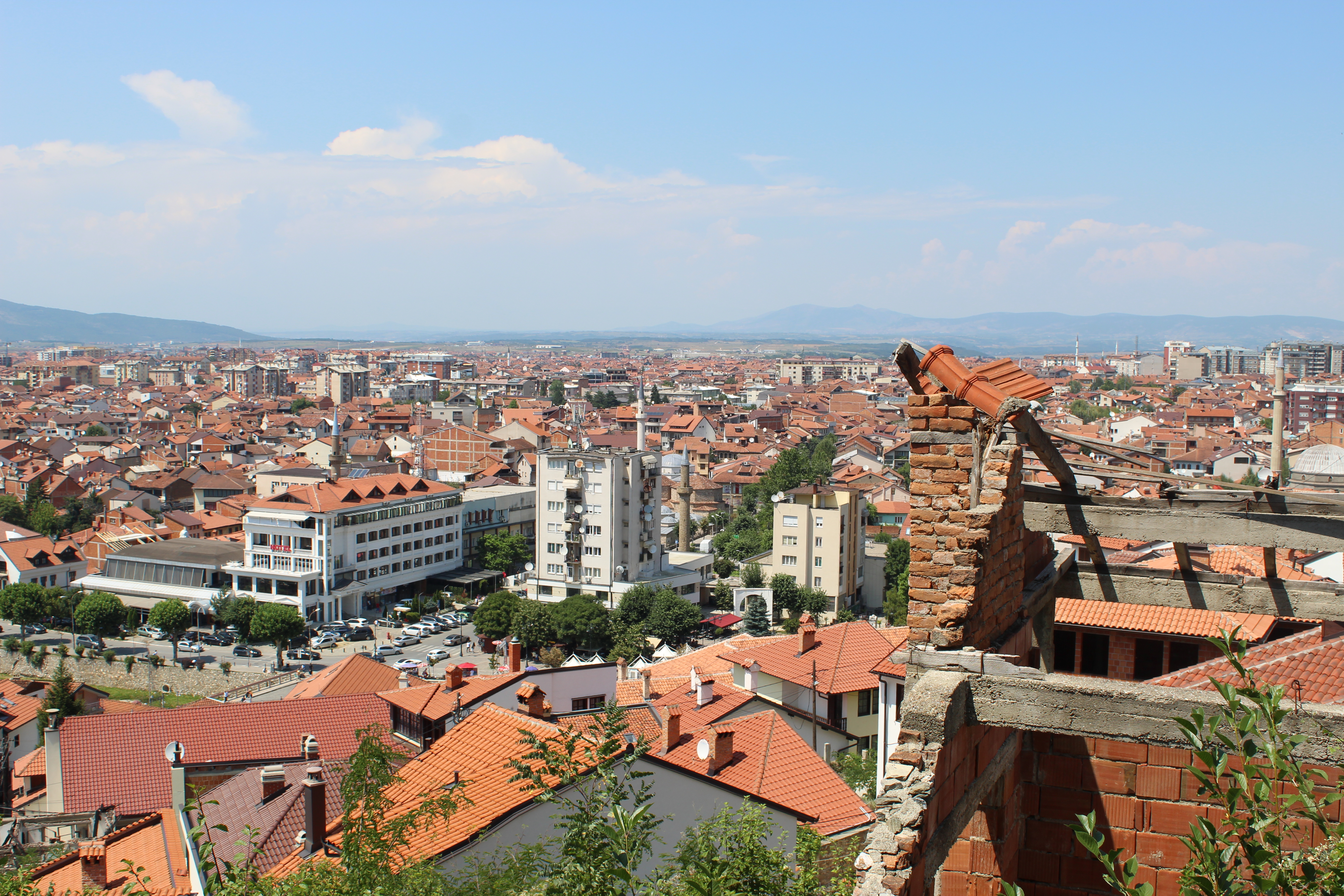
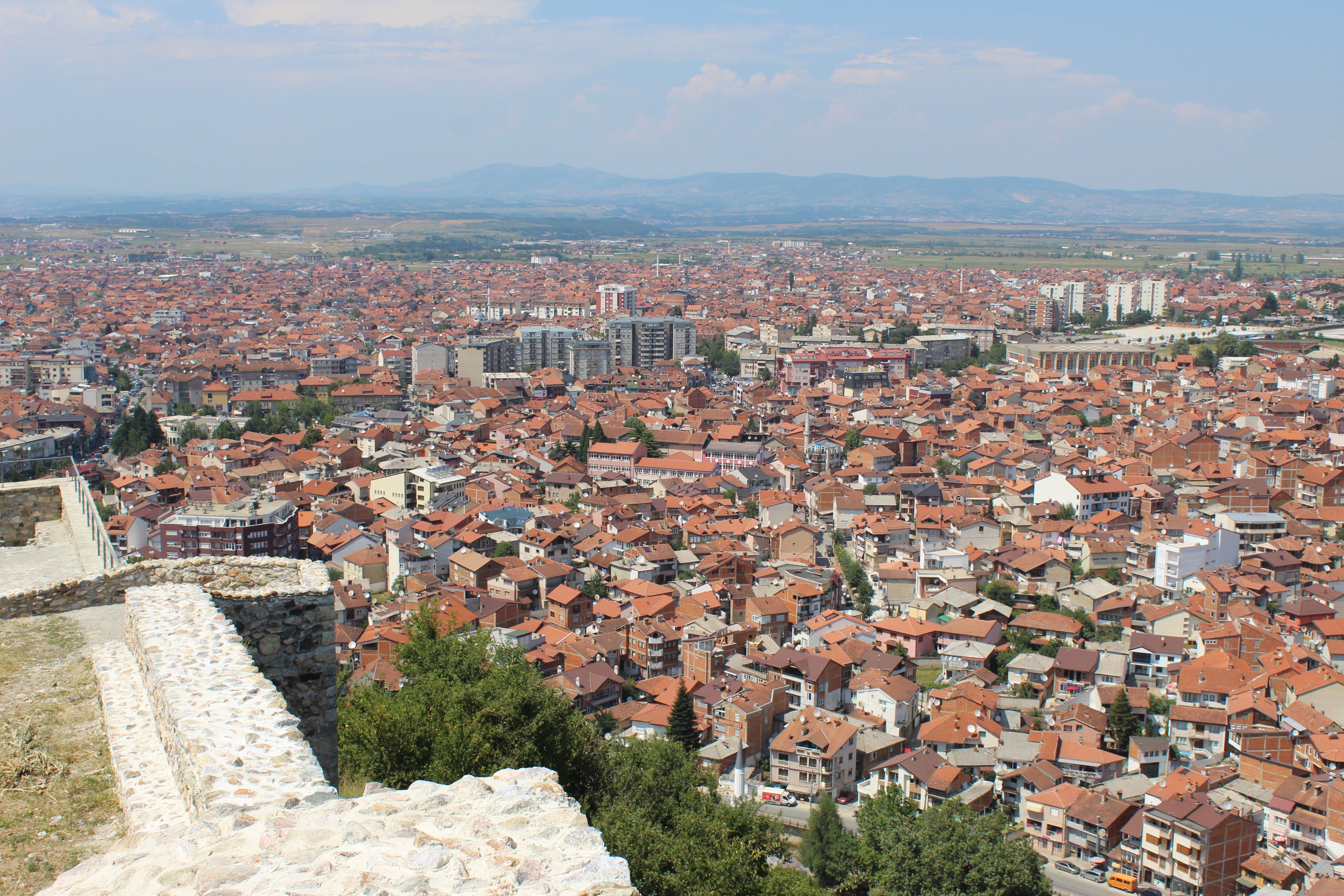
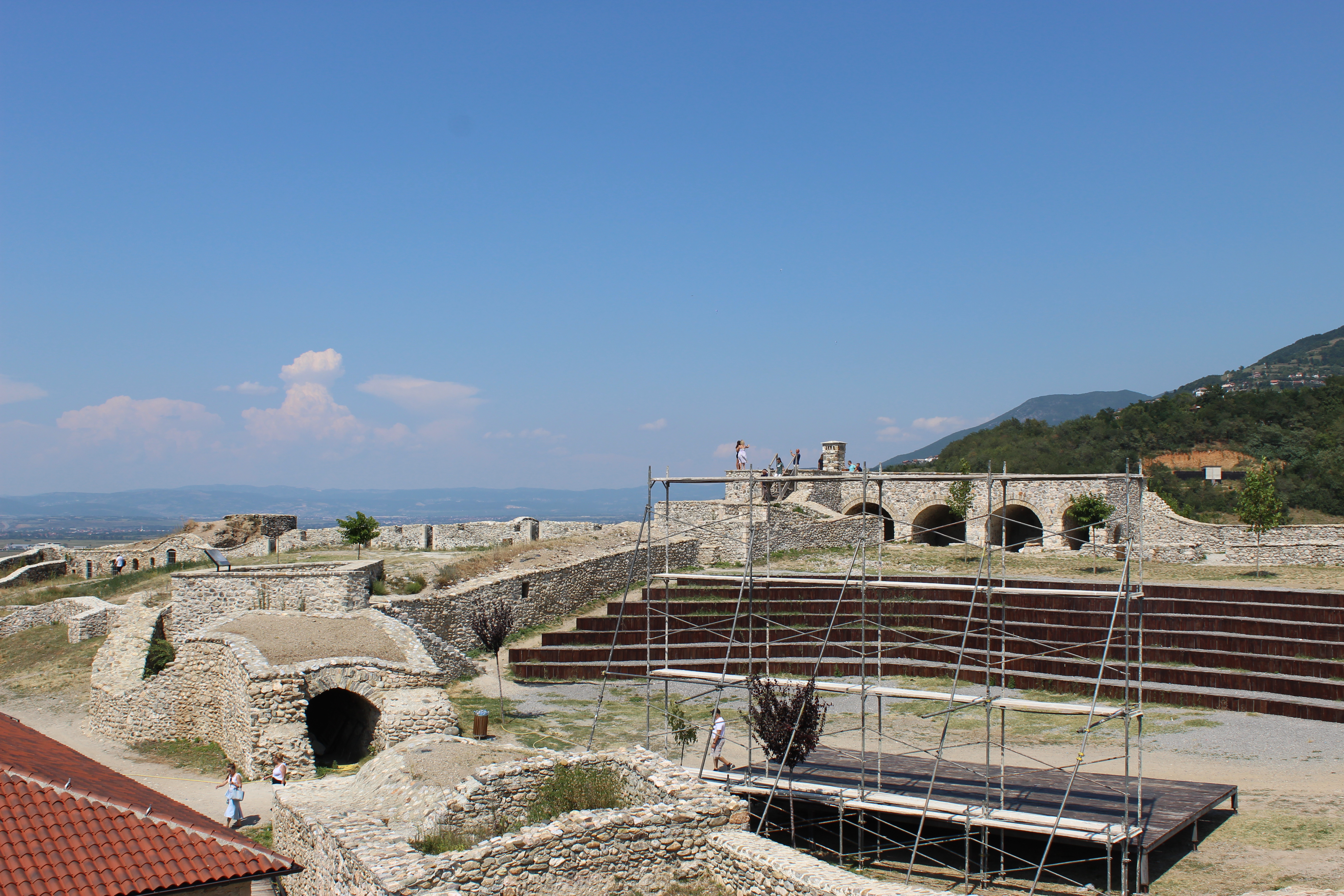
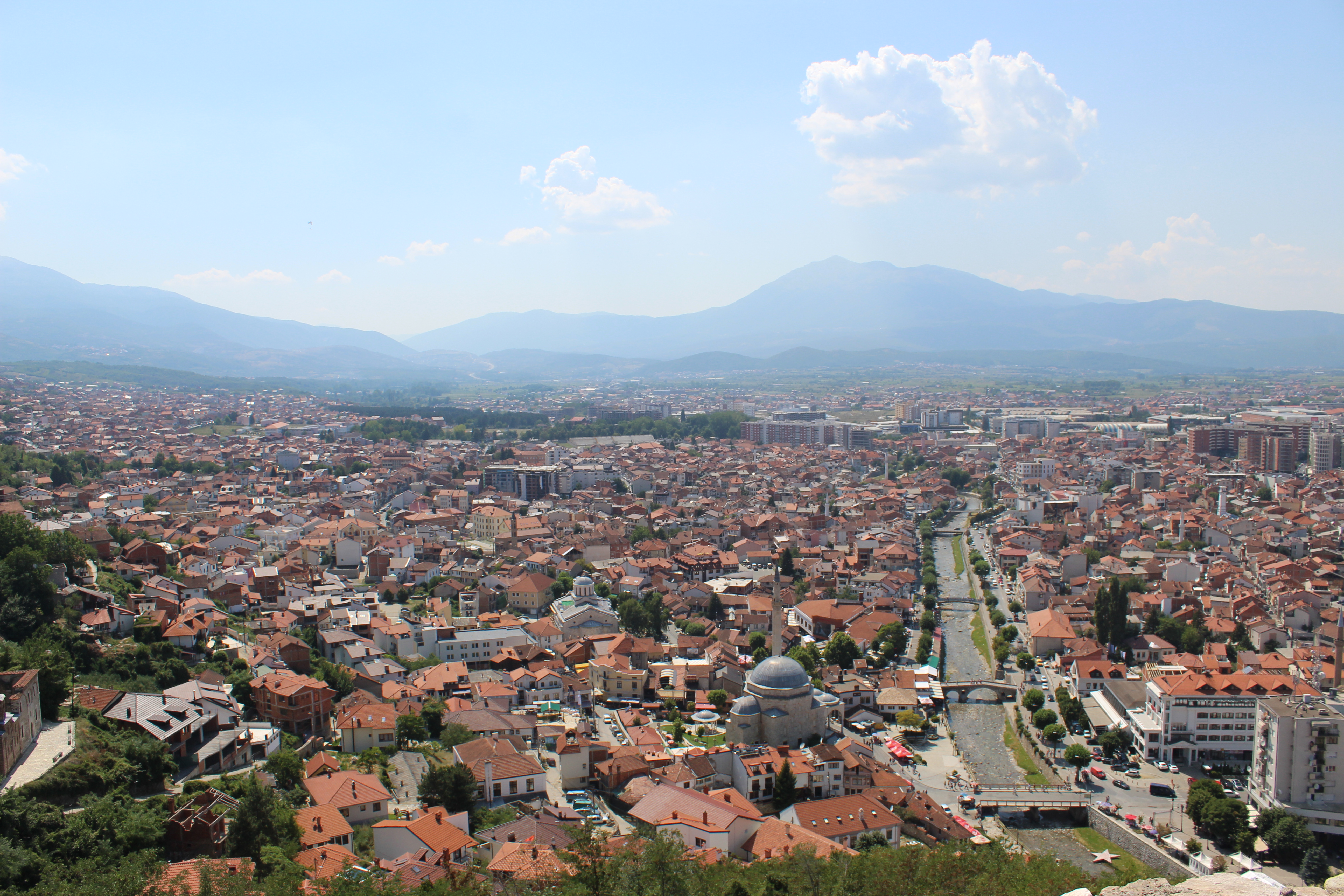
Kaljaja: Prizren Fortress

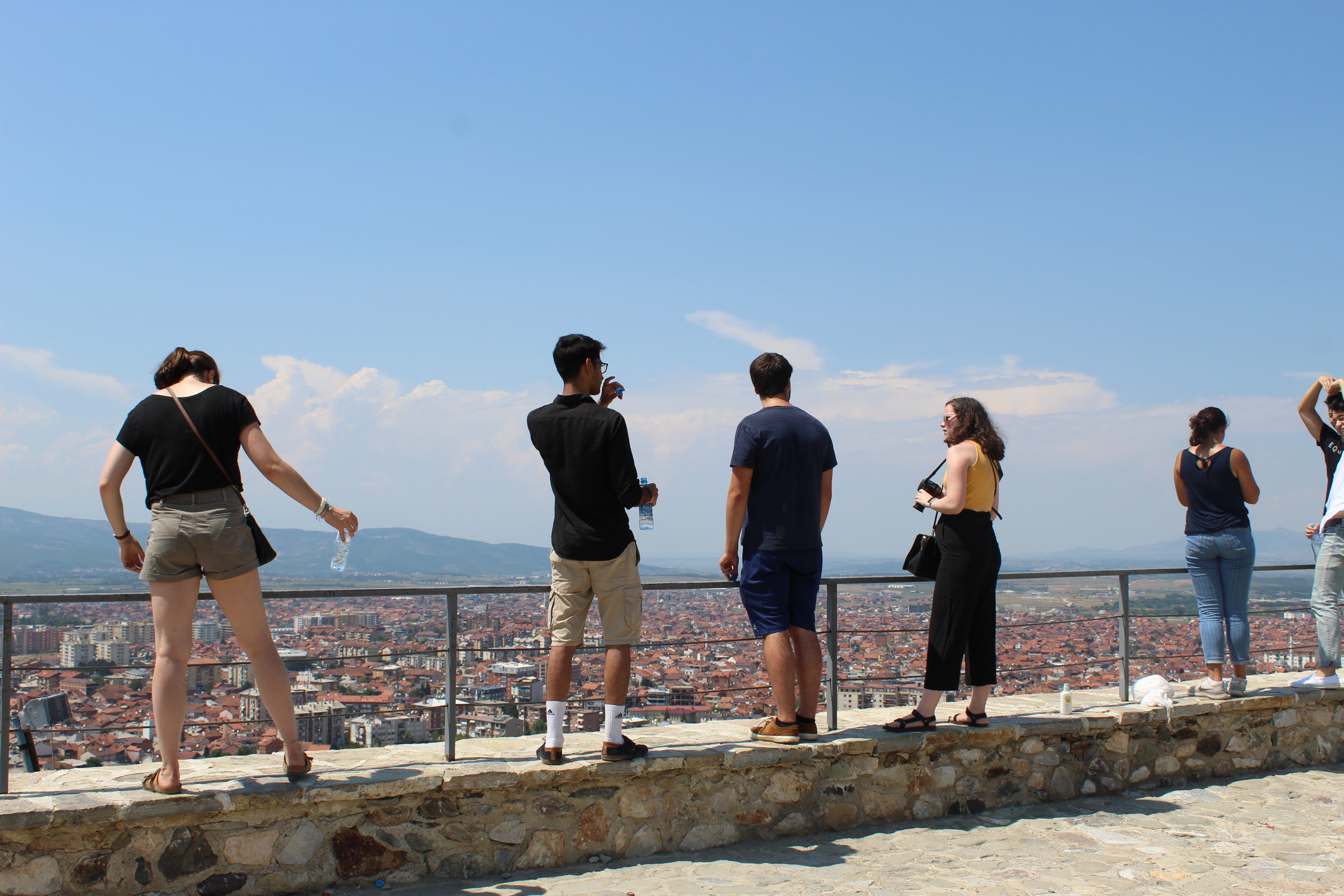
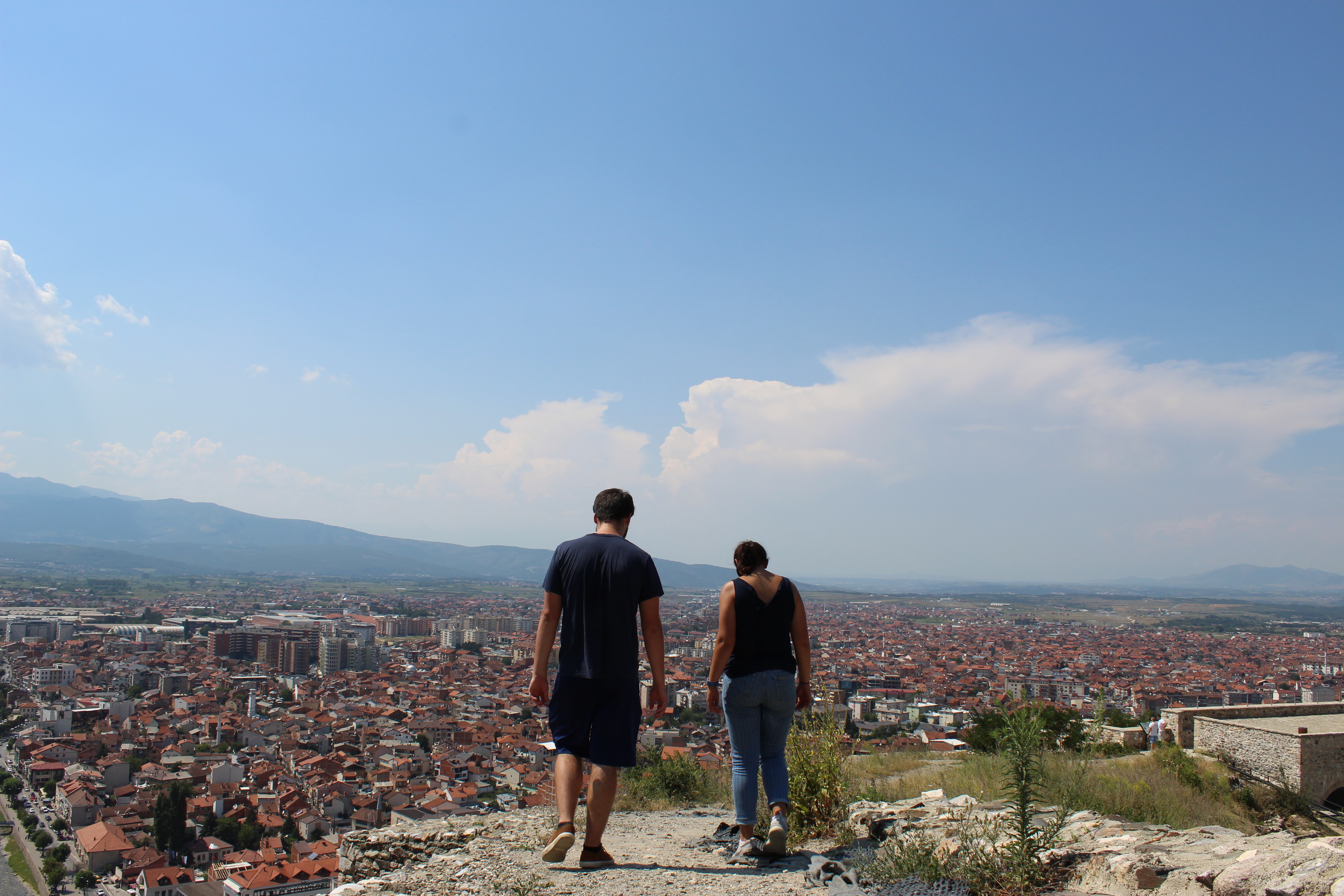
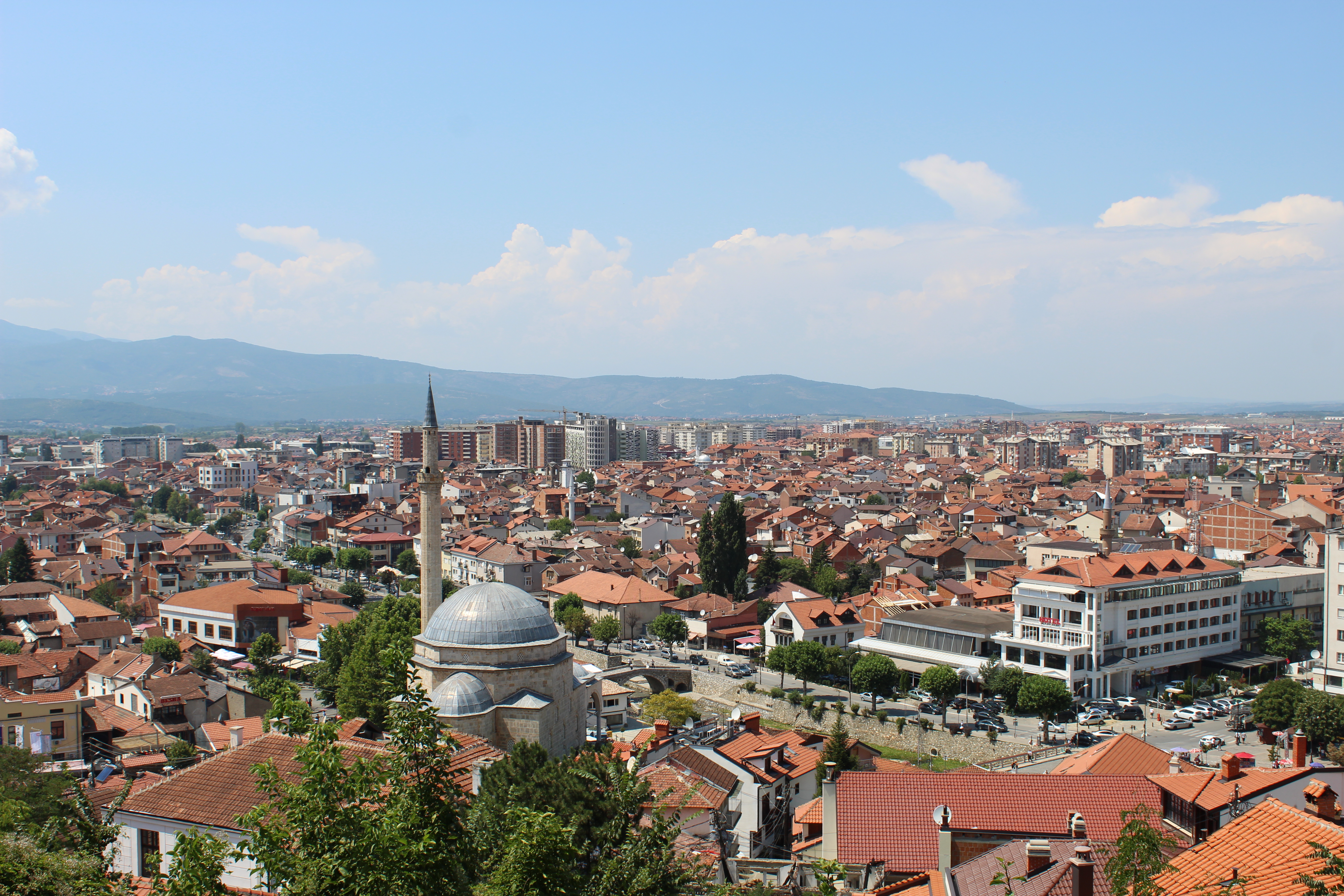
As this trip comes to an end, I think that I can say that Prizren was one of my favorite places. Honestly, entire time there didn’t seem real. If you told me a year ago that I would sing “Take Me Home, Country Roads” in a monastery right after being offered rakija at 9 am, I would call you crazy. While staying at the monastery was absolutely amazing, one of my favorite parts was being able to explore the city. Specifically, I enjoyed going up to the fortress.

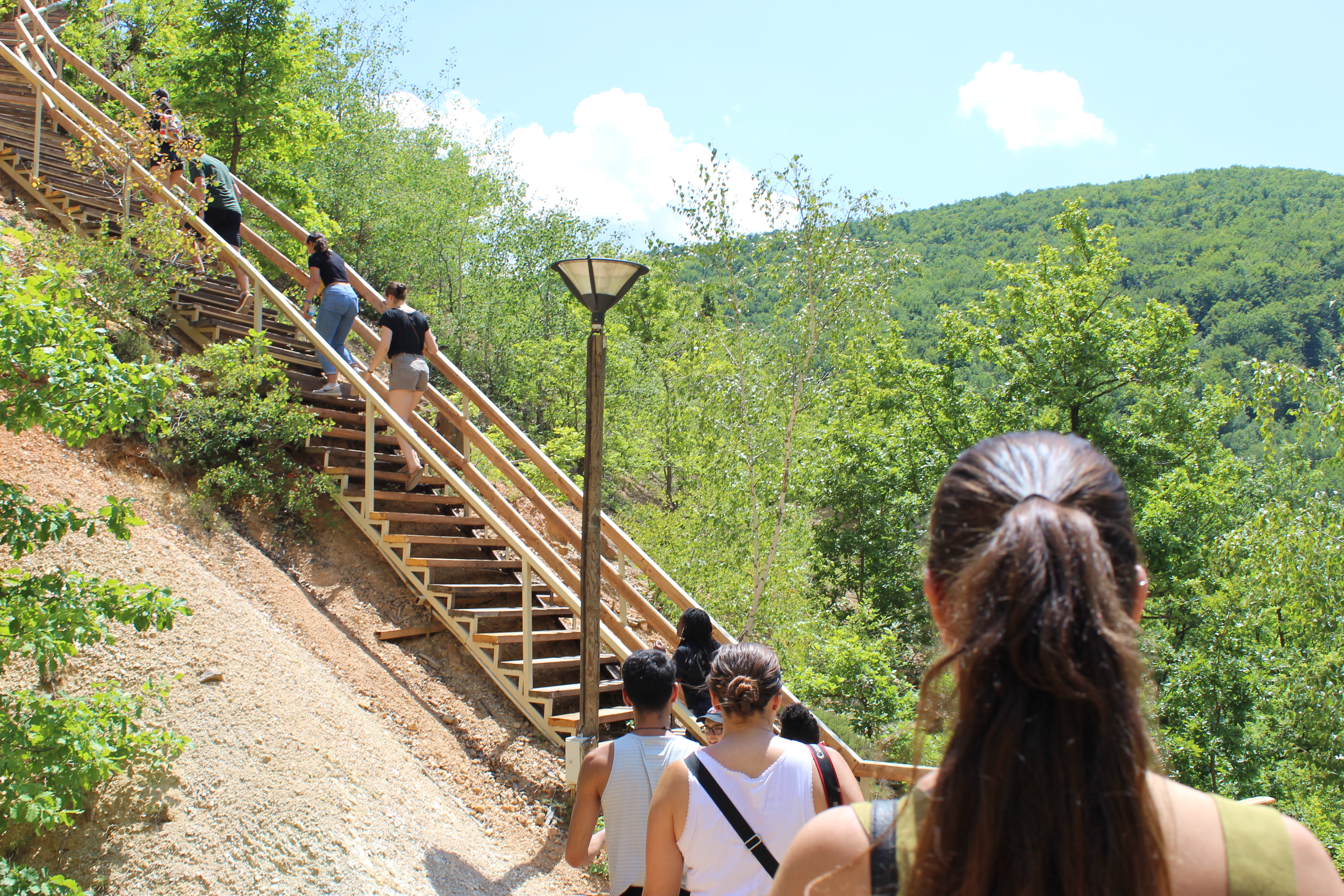
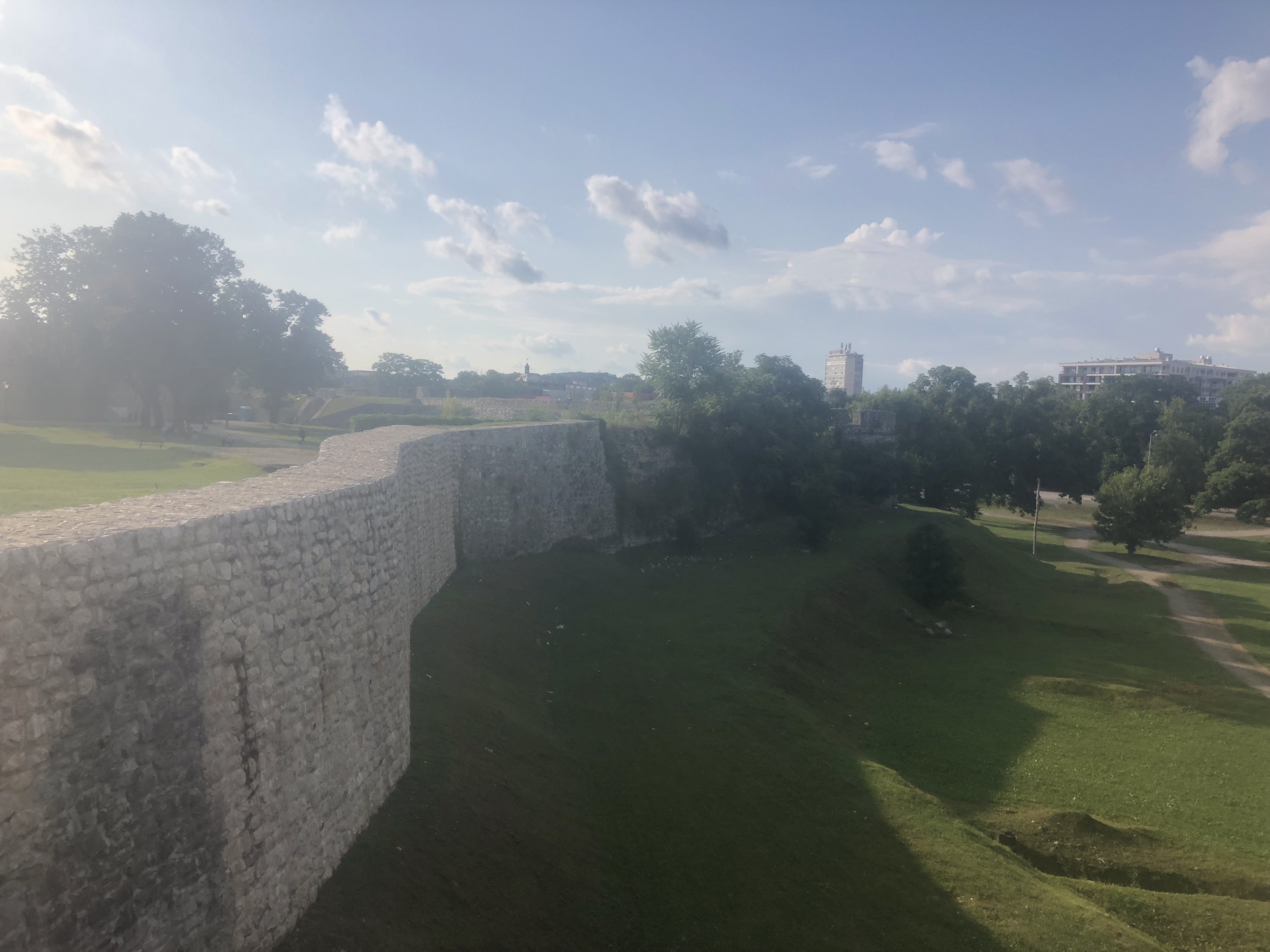
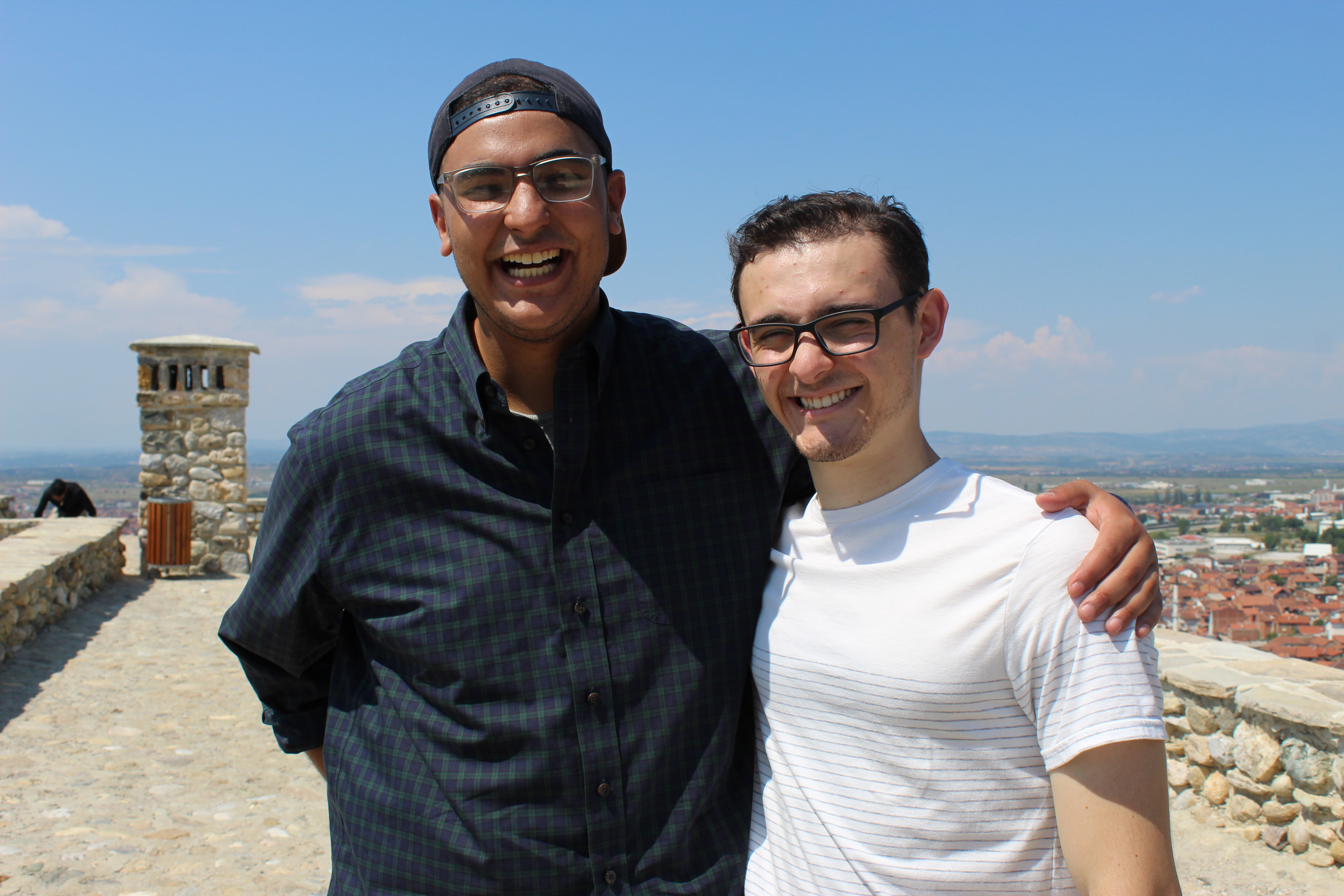
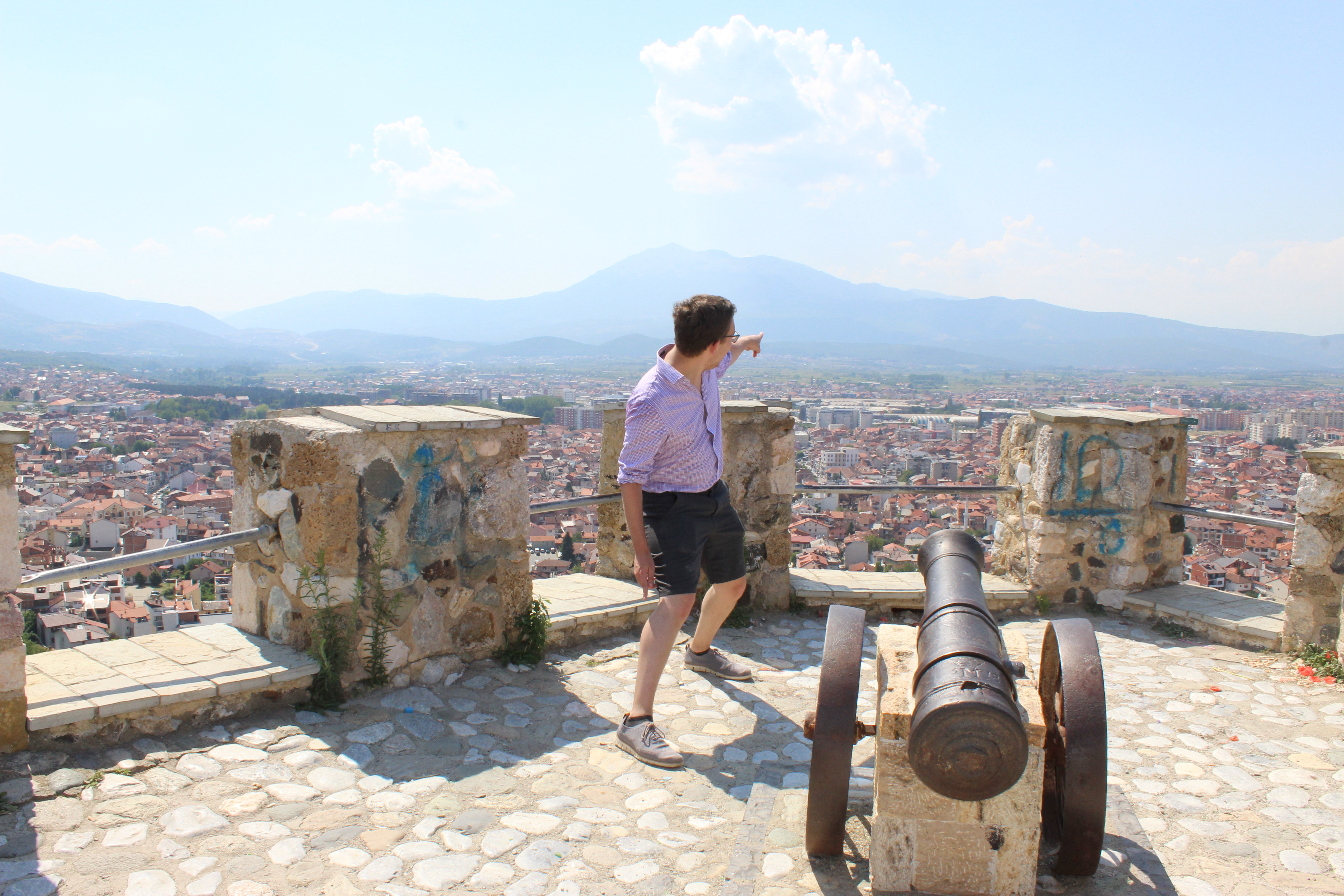
Before coming on this trip, I had no idea how much I loved fortresses. I have been to five fortresses, and at each one I always have a great time. After the short (but steep and hot) walk to Kaljaja, we all just explored. While there, I didn’t know anything about the history of the structure. Despite that, I still thought about what it had endured over the centuries and how people had gone through the tunnels that I was going through. I always find it interesting to try to imagine how many people have walked on the same ground as me in the past, and when one considers how old the fortress it is, it is hard to imagine that.

This medieval fortress, which was under Byzantine, Ottoman, and Serbian rule through the years, had many purposes throughout the years. Initially, it was a defense mechanism. When it came under Ottoman rule, it was actually used as a place for social gatherings for a brief period. Eventually, it fell to the Serbians in the First Balkan War. In 1948, it became a Monument of Culture of Exceptional Importance. Now, it is open to the public. Seeing the evolvement of fortresses is interesting as they were all once so important, and now they’re just a spot for people to hang out and have deep conversations, as I have done at each fortress.

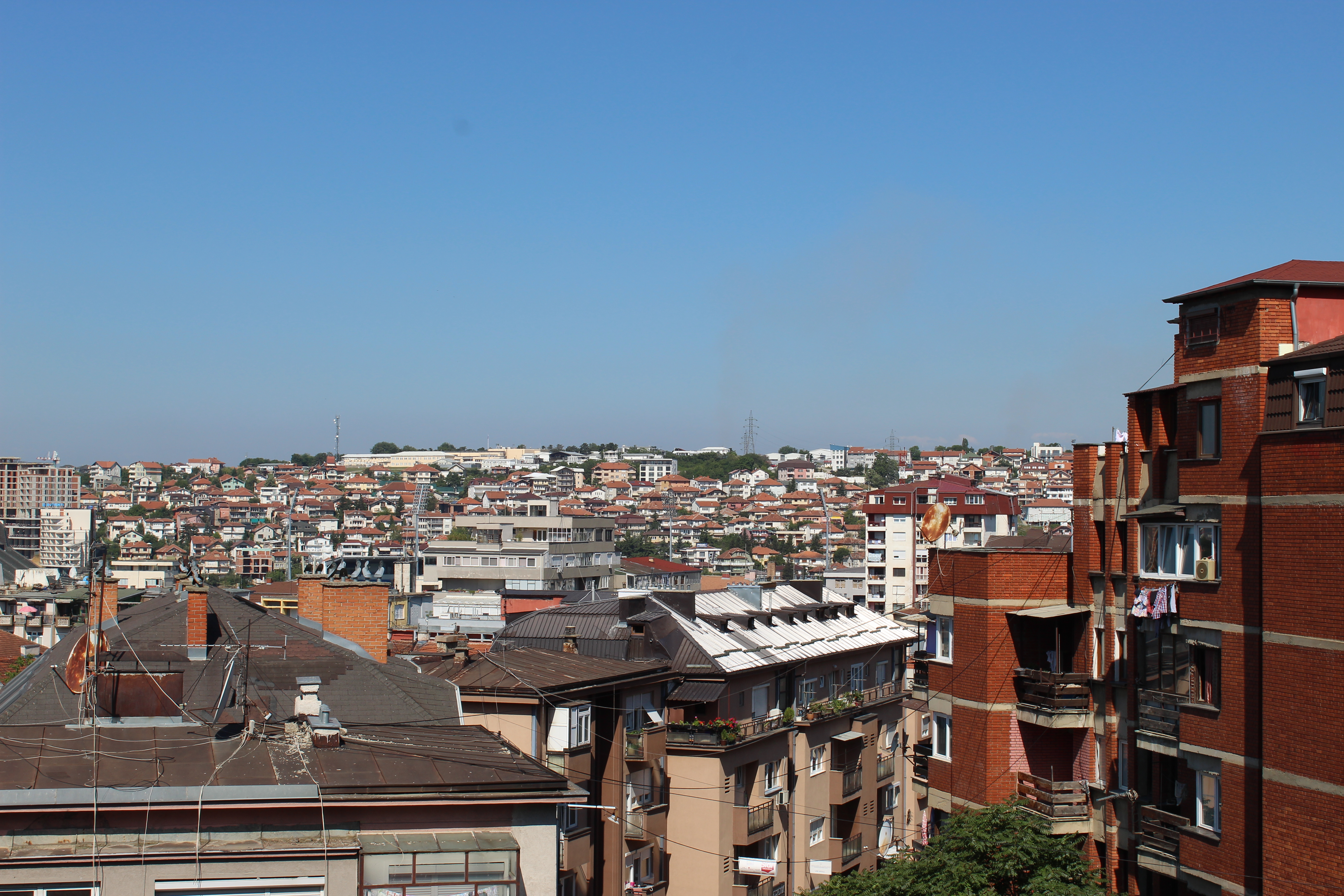
Priština

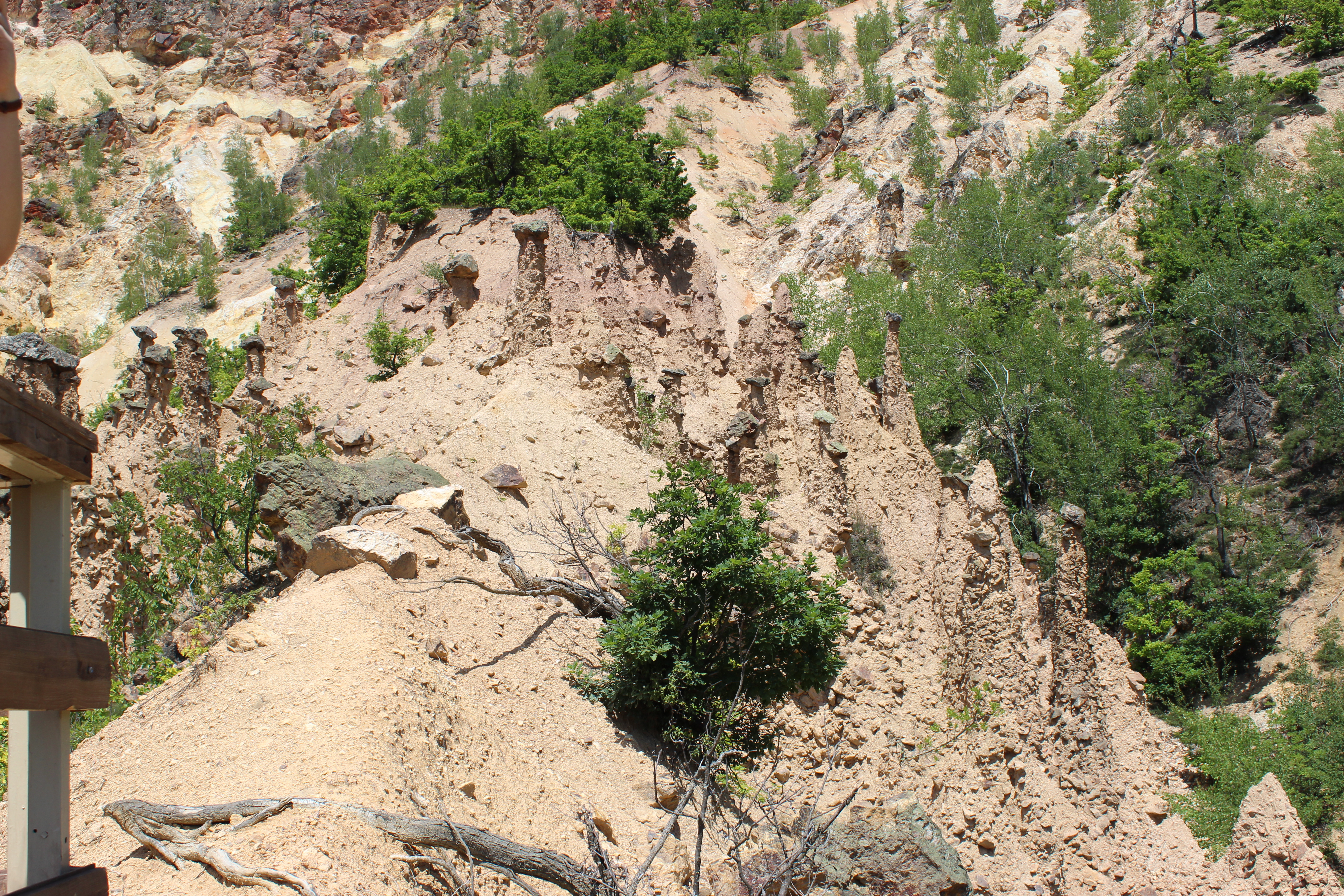
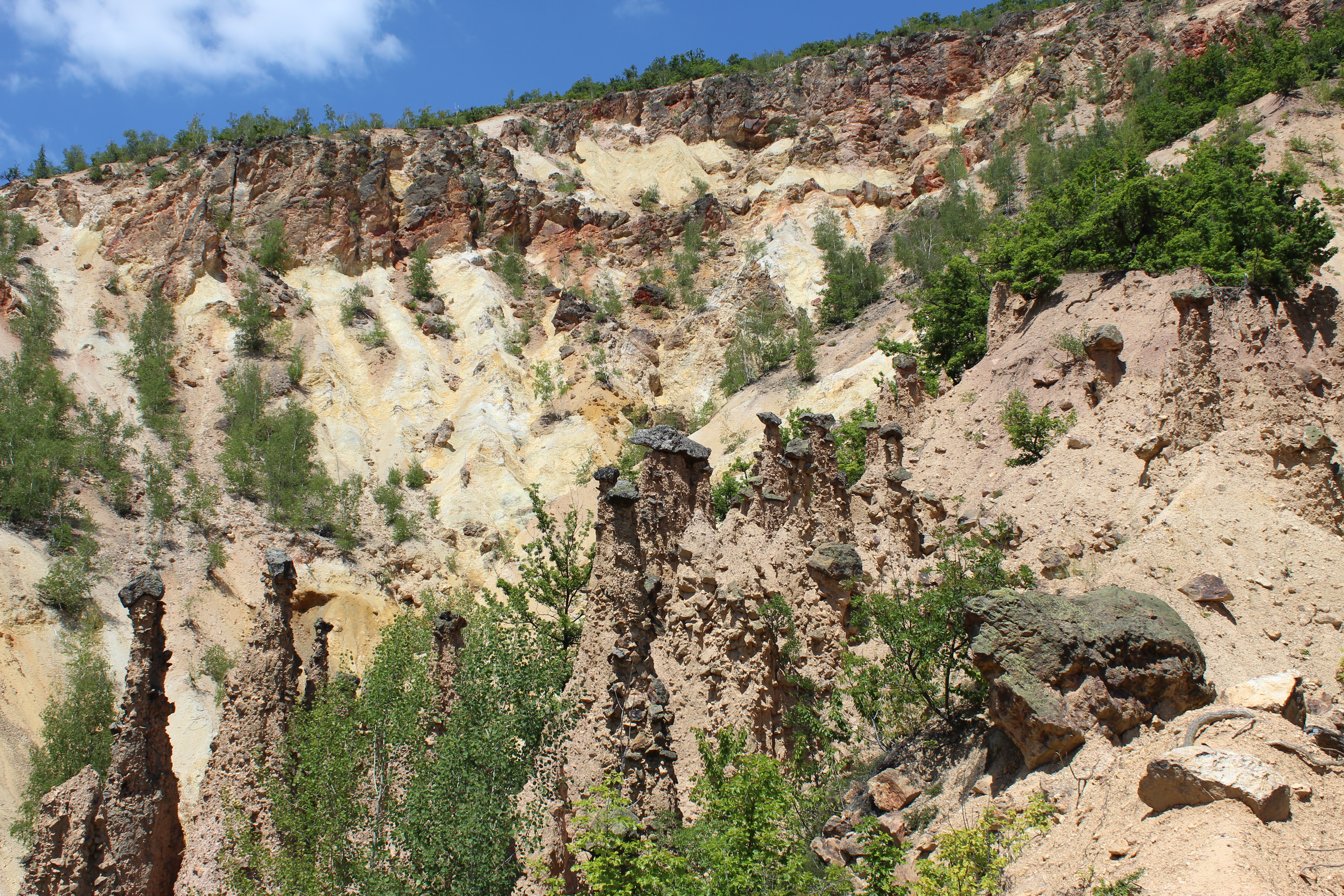
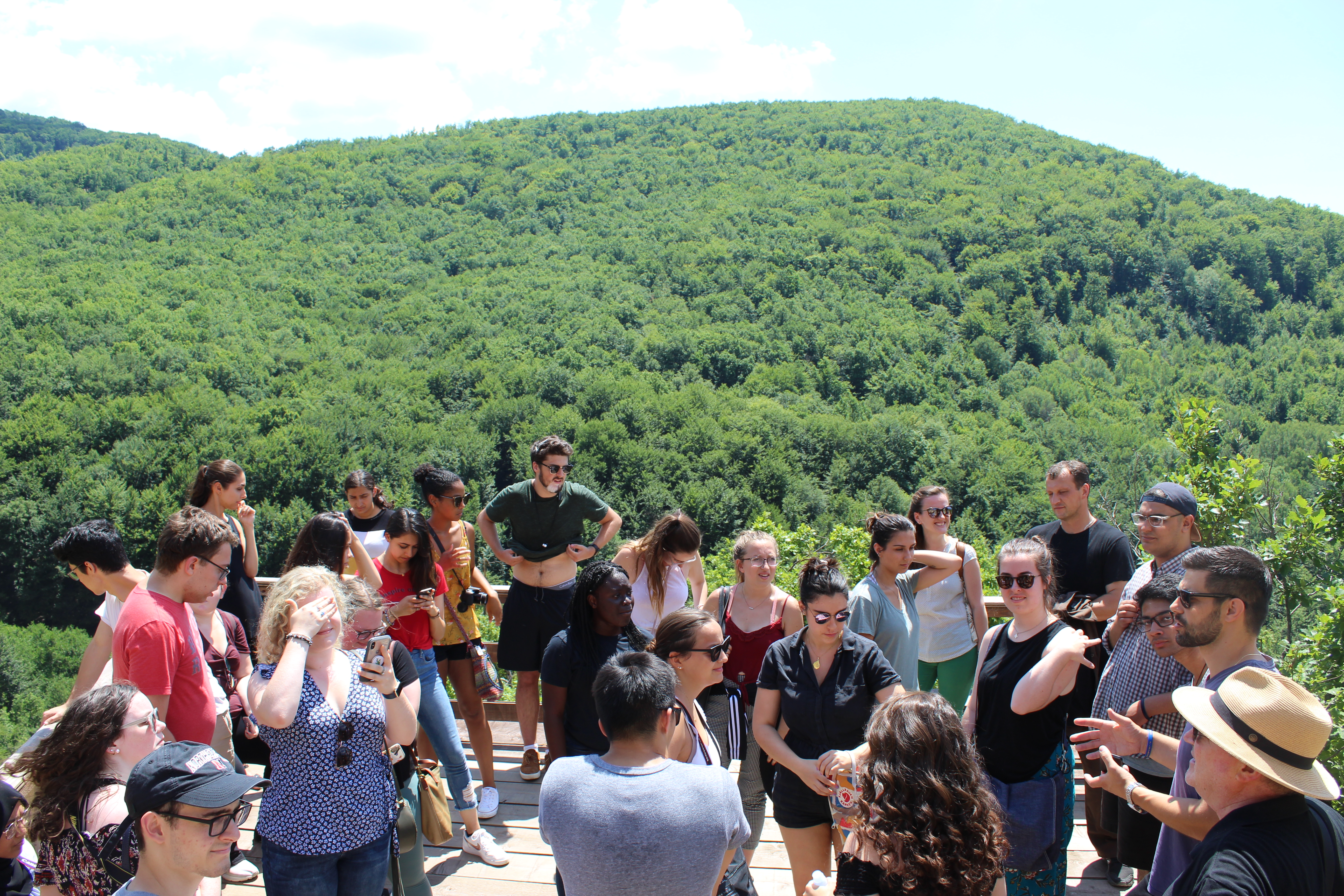
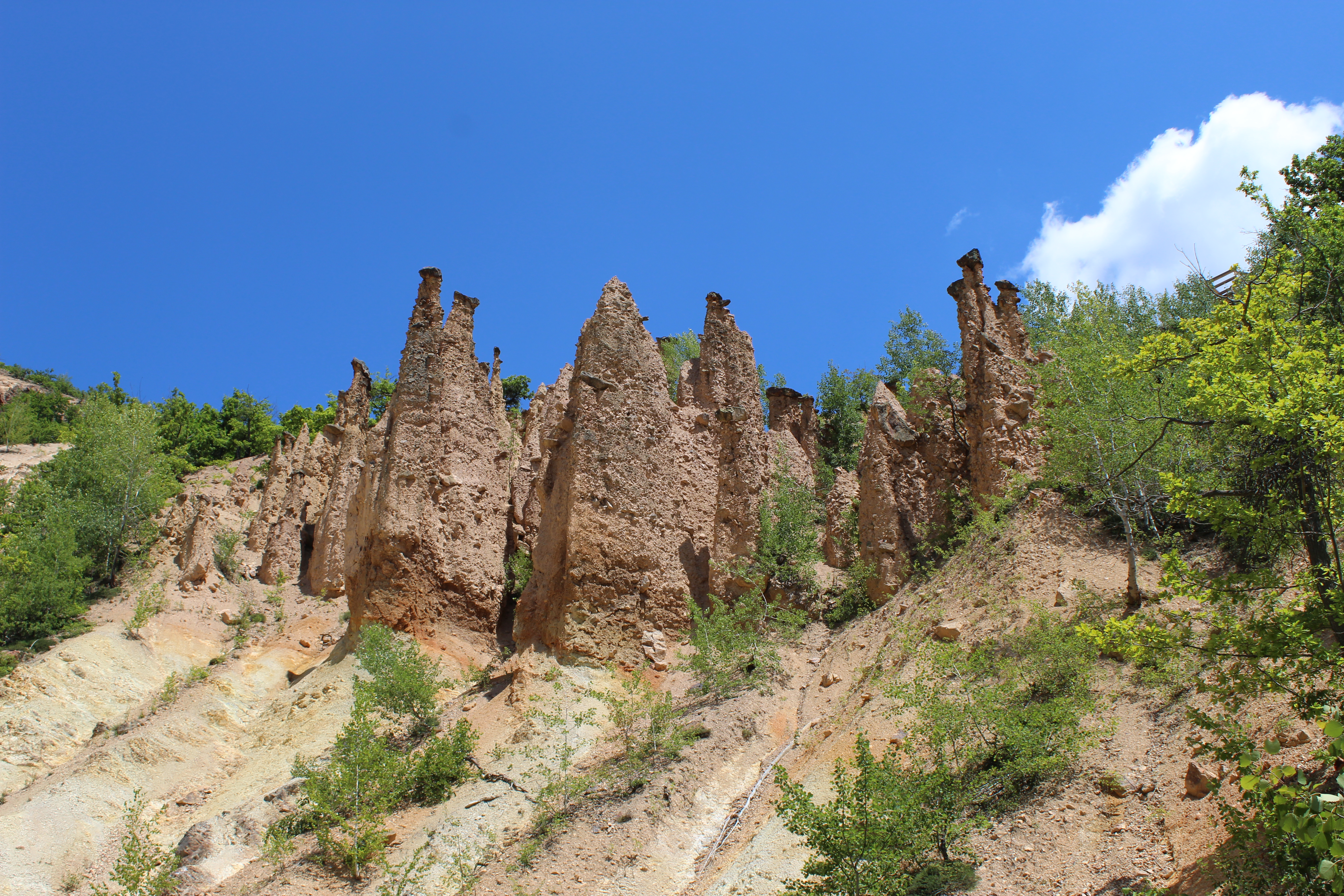
One of my favorite parts about the trip to Priština was the stop at Devil’s Town. I grew up in the middle of the woods and I always go hiking, so it still really nice to be outside and see the rock formations. I didn’t look up what Devil’s Town was beforehand, so I had no clue what to expect. I loved hearing the myths about Devil’s Town. I especially liked stopping at the church on the way down and hearing about how you can rub a cloth on your body wherever it’s bothering you and tie it to the church and that evil will be left behind.

Regarding the speakers in Priština, I think that the first set covered the most topics. Aside from Dragisca Mijacic, they were our first real introduction to Kosovo. Before coming here, I was really confused about the internal and external dynamics. While it is never not going to be confusing, I felt like I had a more solid foundation after discussing Kosovo’s relationships with Serbia, its economy, and many other topics that came up in questions. Hearing their perspectives about territorial exchange and then hearing the other perspectives was especially interesting as we finally got the opportunity to hear about it from Kosovars.

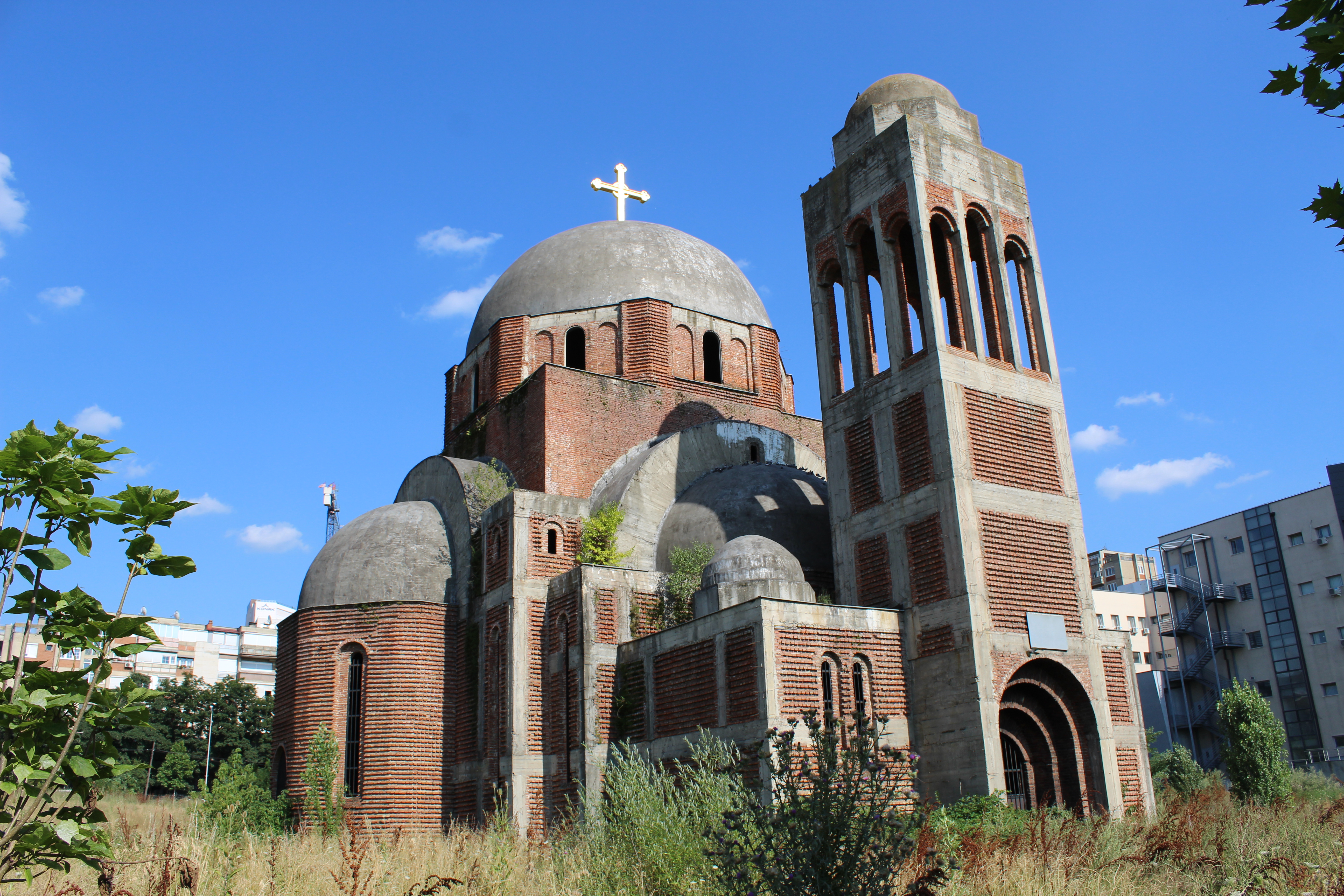
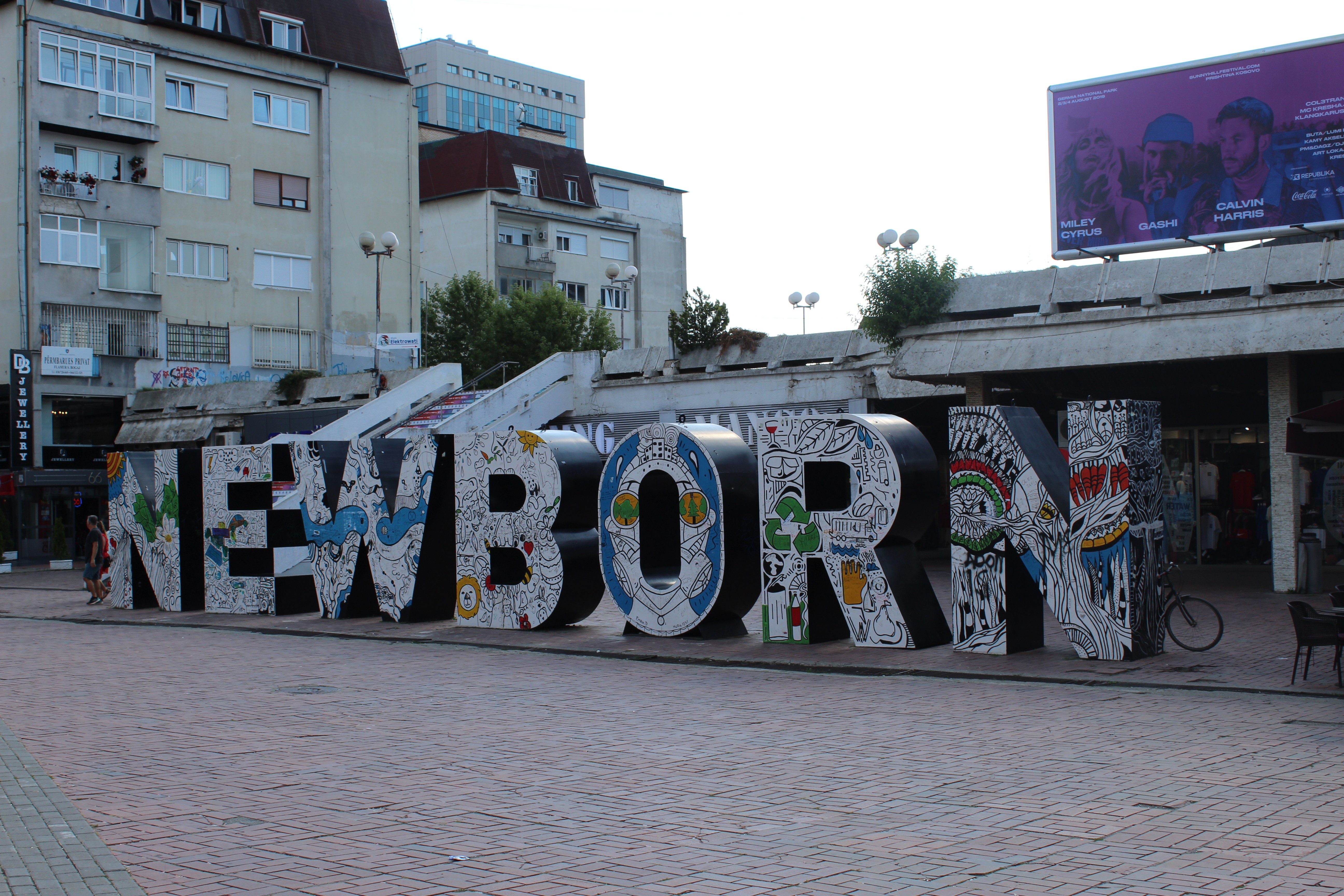
Overall, I really enjoyed Priština, but I feel as though I wasn’t able to get to know the city at all. I only went out of the hotel for meals and for the short walking tour. While I did see a good portion of the city, I would have much preferred to have had the time to explore the pedestrian walking area as well as all the monuments and religious sites. Also, I think that one of the most enriching experiences is to talk with locals, and I felt like I did not have enough time to do so here. I think that staying even just one more day would be very beneficial.

Environmental Regulations in the Balkans?? THERE ARE NONE

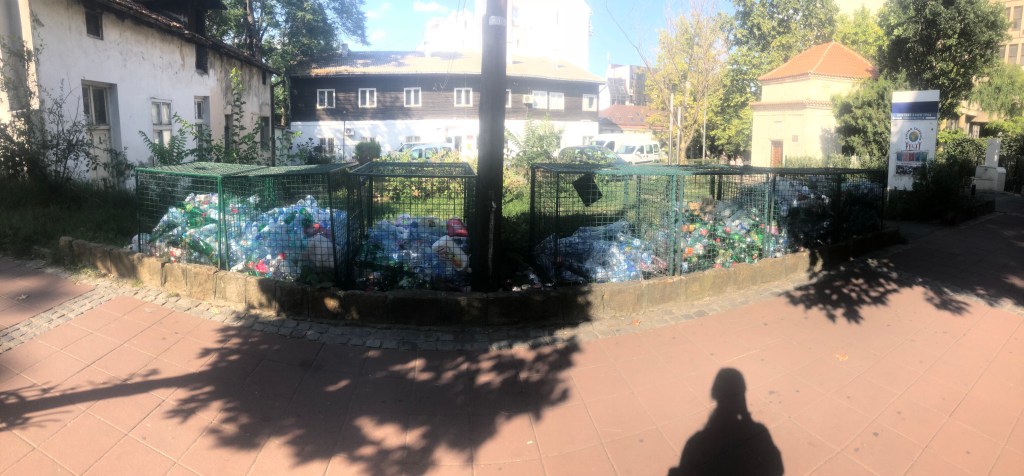
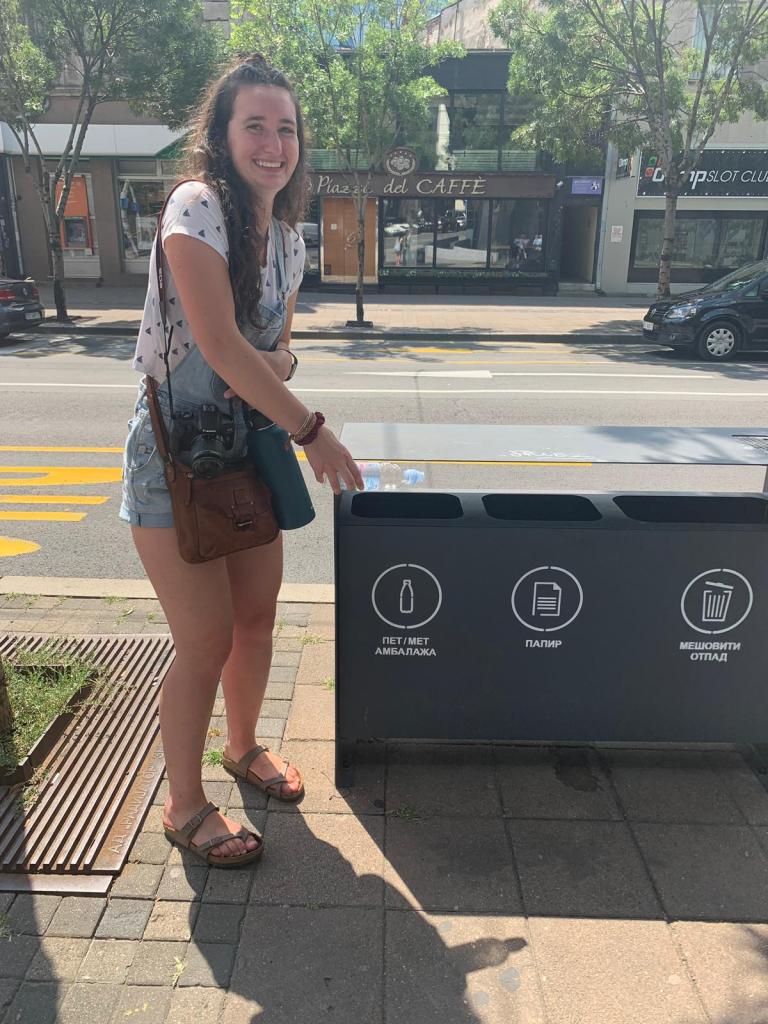
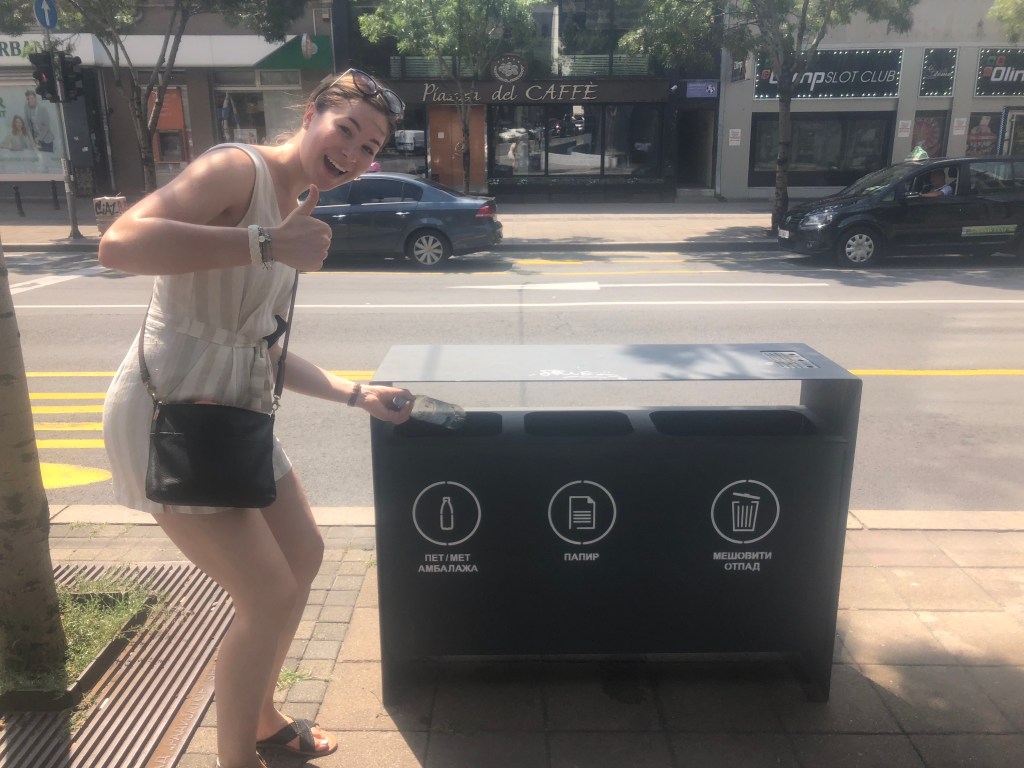
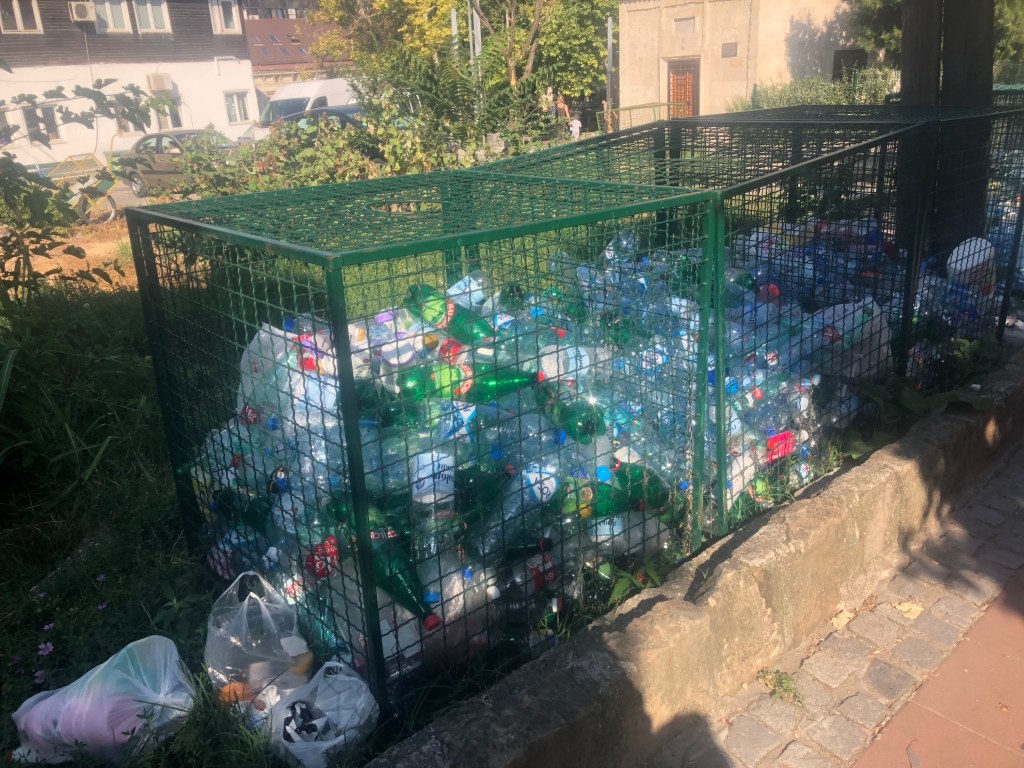
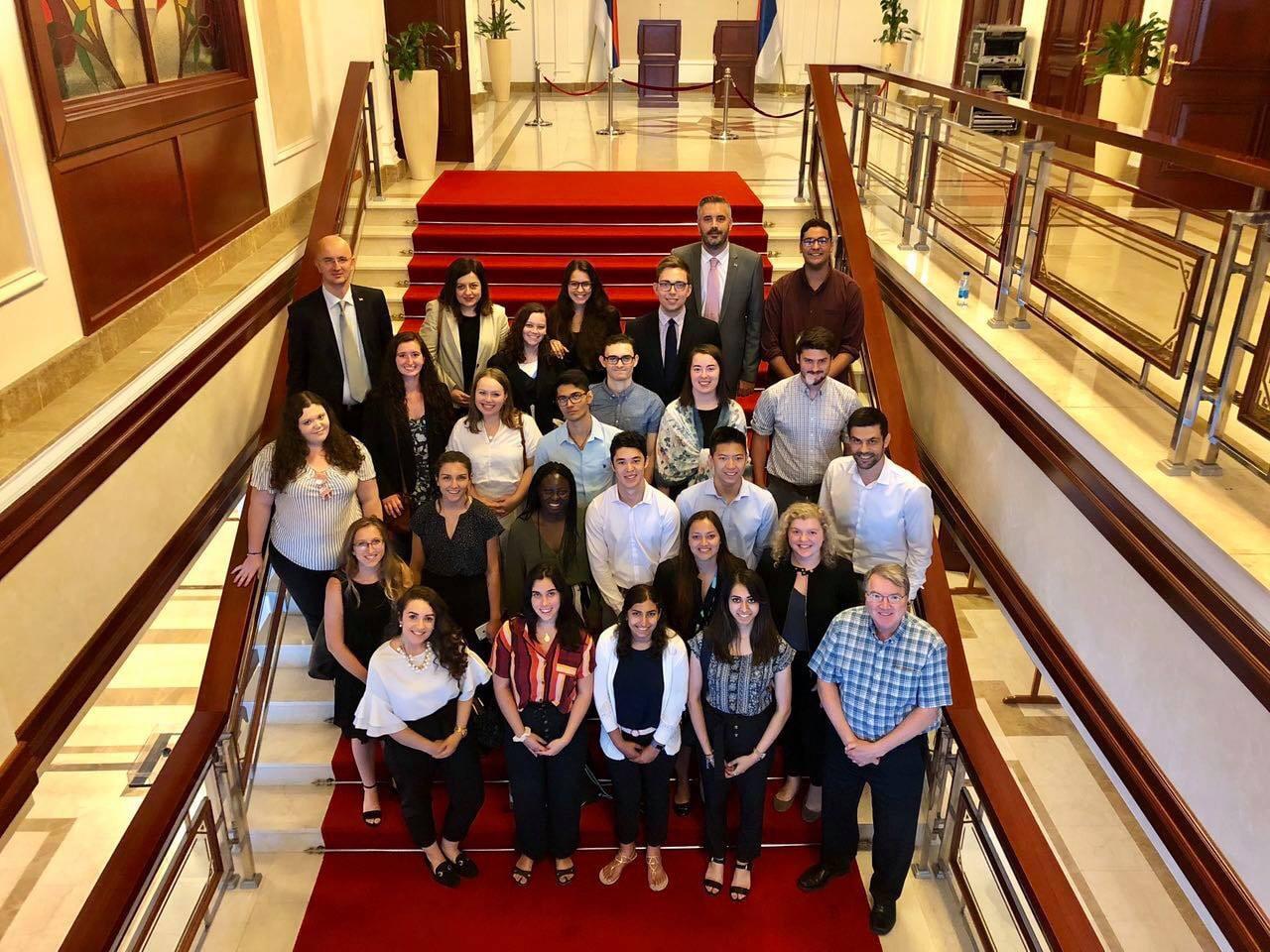
If I had to pick my favorite thing about Belgrade, one of my top picks would be the presence of recycling. When I first saw the recycling bins outside of the hotel, I was beside myself (please refer to the second picture). While I loved Sarajevo, I was constantly angered by the lack of environmental sustainability practices. Even though Sarajevo did have benches with solar panels on them, there was no recycling as they didn’t have the infrastructure necessary for it and no legal standards in place. After seeing the pollution there, whether in the river or on the streets, I was simply shocked by how acceptable that was. When I would talk with locals, such as the AUBiH students, they simply said that even though they agree that it was horrible, they had to focus on other things first. I understand that BiH definitely has more immediate problems, such as recovering from the war, but I personally think that there needs to be at least some minor steps taken in regards to environmental regulation. When we met with the representative from the EU Delegation, I asked her about the environmental standards that BiH would need to achieve, and she stated that there needs to be a lot of work done.

I did not realize how happy I would be to see recycling bins. After a quick Google search, I learned that Serbia has invested a significant amount of money to improve water and waste management systems as well as air quality. However, I also learned that they really haven’t made much progress. The other day, for example, we heard from one of the speakers that the sewage dumps directly into the river.
As angry as I was with the environmental regulations in the Balkans, it really made me think about US standards. For a country that is as advanced as we are, we should not be contributing to the degradation of Earth so much. This is an issue that affects literally every single person on this planet, and as a collective, we need to start getting our act together.

Brief Overview of EU and Serbia: https://europa.rs/eu-assistance-to-serbia/eu-and-serbia-15-years-of-partnership/environment-and-climate-change/?lang=en

Update on Progress: https://balkangreenenergynews.com/eu-commission-serbia-makes-limited-progress-on-energy-climate-change-yet-to-receive-adequate-attention/

Museum of Yugoslavia

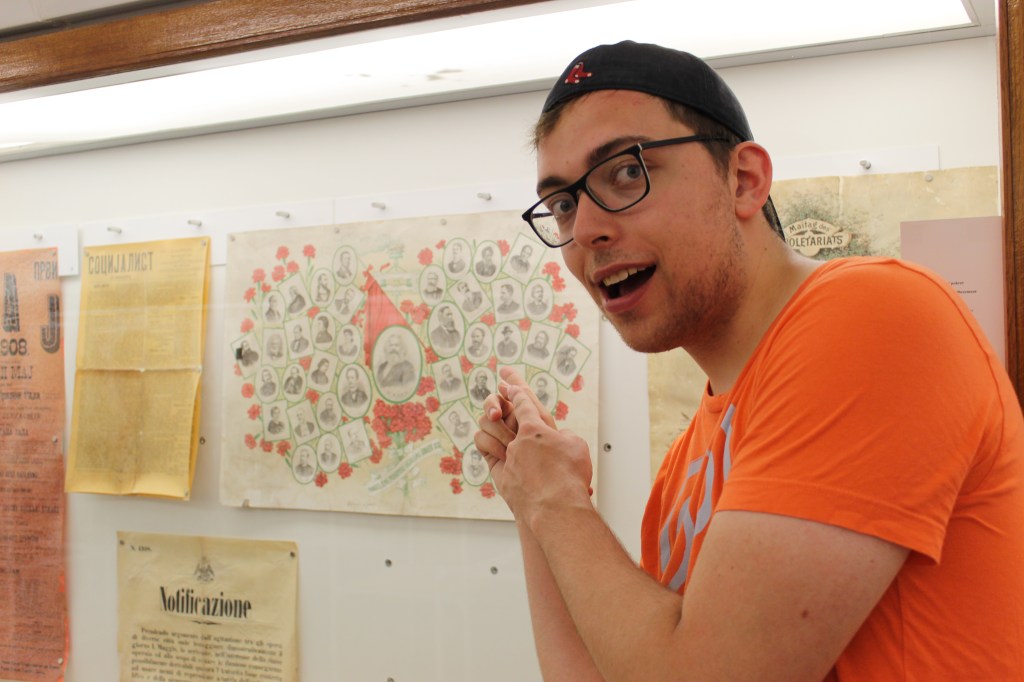
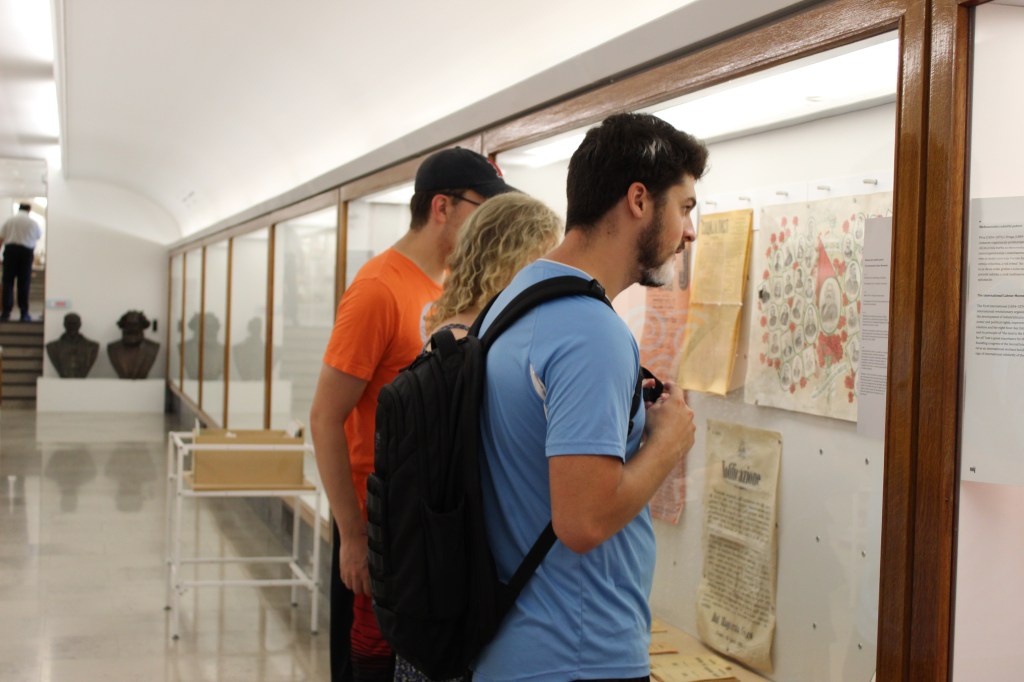
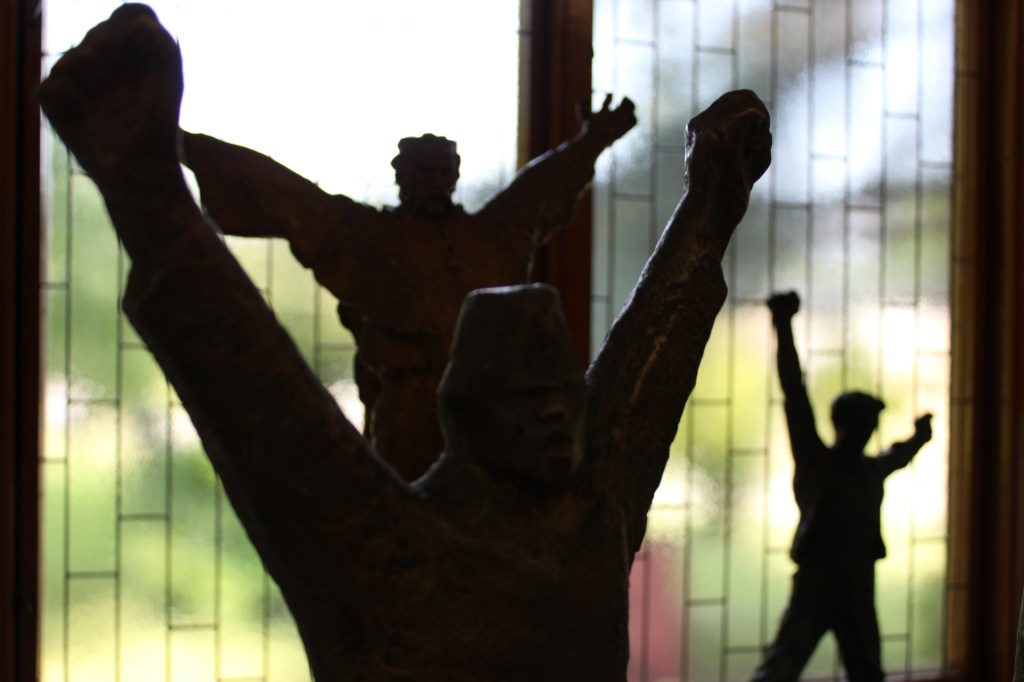
Today, we went to the Museum of Yugoslavia. Before we got there, Hayley told me that it would be an “interesting experience,” which worried me a bit given how she said it. When we got there, we went to the Old Museum, which was just a collection of Yugoslav artifacts and all of the gifts that Tito received from foreign countries and the states within Yugoslavia. I am always more interested in paper items (newspapers, official documents, etc) so I enjoyed looking at all of them in the museum, but I wish that there were translations so I knew what they were saying. I was so surprised by how many gifts Tito received, specifically the decorative batons. He received hundreds of them every year on May 25 to celebrate the Day of Youth and his birthday. Honestly, I just can’t get over how many batons people gave to that man. Unfortunately, the May 25 Museum was closed due to renovations, but I’m assuming that there’s even more of Tito’s stuff there.

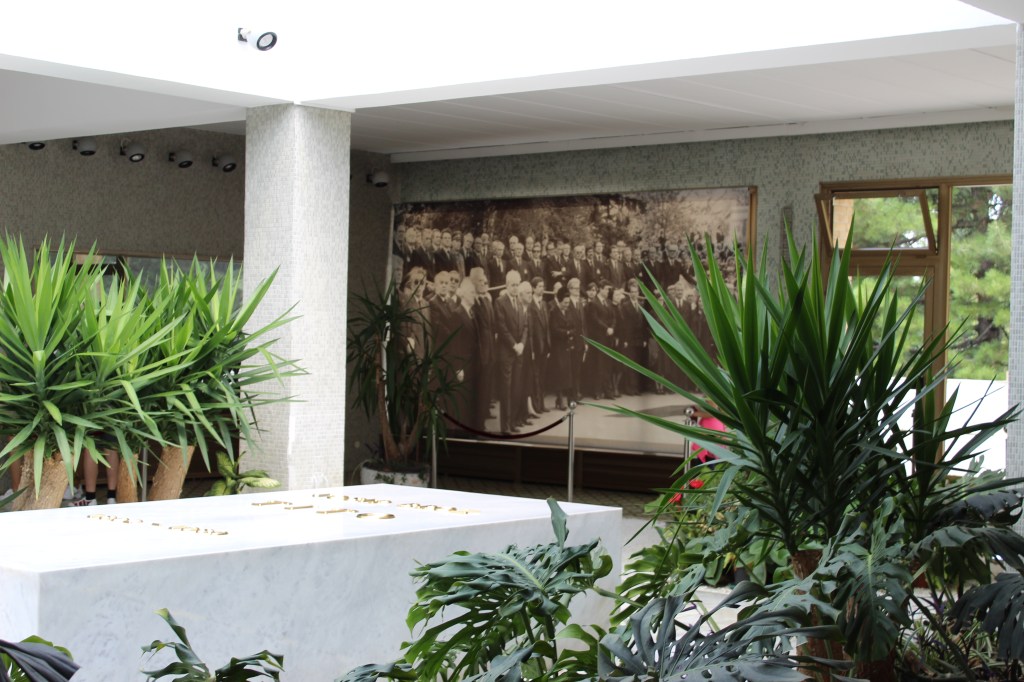
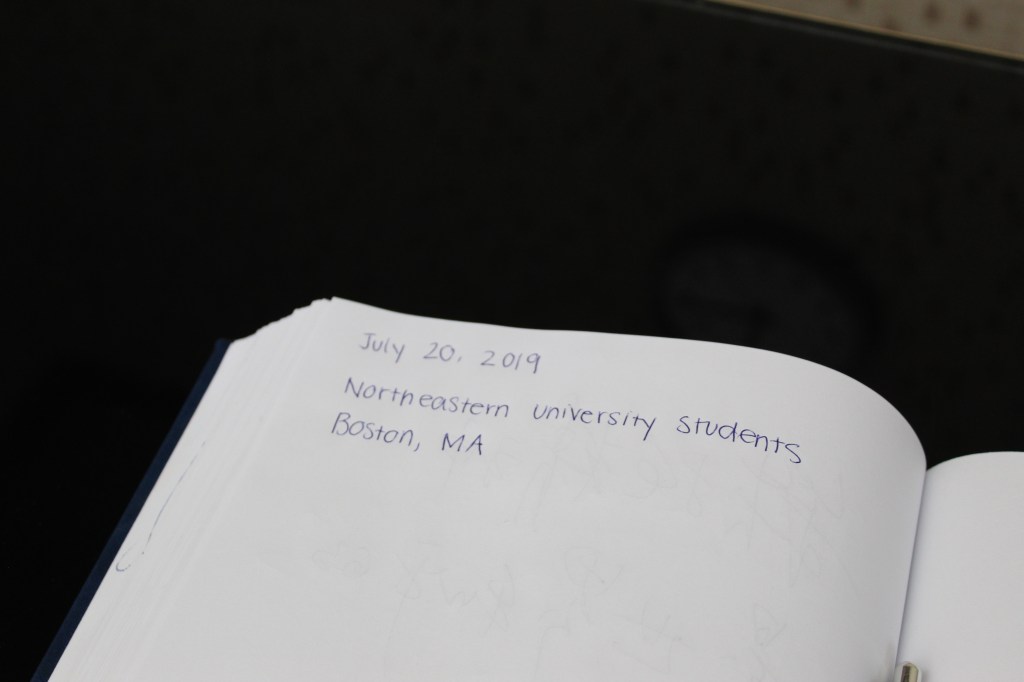
After the Old Museum, we went to the House of Flowers. The final resting place of Tito and his wife, the House of Flowers has plants and stones surrounding the grave along with two extensions on each side of the building with additional artifacts. I found it really interesting to look through the memorial book for people to write in and see all of the notes in different languages. While at the museum, I was finally able to start to conceptualize how everything played out during Tito’s reign because everything was laid out in chronological order with lots of supporting information.

After the museum, we went to the Hyde Park Restaurant (as recommended in the scavenger hunt) and it was one of the cutest restaurants ever!!

Impressions of Banja Luka

Everything is so quiet. While there are some people out, there are significantly fewer than I would expect and I have seen very few cars driving around. Honestly, the whole vibe of this city is really throwing me off. I think that is due to the fact that it’s a new, unfamiliar place that we’ve only heard about as being in the Republika Srpska, which is majority Serb and opposes the Federation. Given that we began this trip in the Federation, we obviously have a biased view of Republika Srpska, but after meeting with the bishop and the government officials, I was not comforted by their positions at all.

When meeting with the government officials, I was immediately put off by how they denied the presence of ultranationalism groups. Specifically, the one man said that he had only heard of the 1389 Movement in the media. We were literally in Banja Luka for less than 48 hours and I saw graffiti all over the city supporting it. This, coupled with the discussion of youth’s perspective of the political corruption, made me question how often they interact with their constituents. How can they not acknowledge the potential for this problem as it continues to grow and gain prominence?

In addition, there was blatant Islamophobia during the discussion. They began by talking about how liberal and open-minded Muslims are, but by the end they were saying how they feared the creation of a Muslim state in the center of Europe. Also, they automatically assumed that all terrorist groups and nationalist groups were based in Islam. They went so far as to compare Al-Queda to the 1389 Movement and say that that movement (if it did exist) wouldn’t be nearly as bad. While one can always try to draw parallels, those two groups are completely different in terms of their motives, but they automatically painted the Muslims as the bad guys. They didn’t even acknowledge the threat that the 1389 Movement plays to Muslims and other non-Serb in BiH. I acknowledge that everyone has the right to their opinion, their opinions of Muslims were entirely Islamophobic and misguided, and I don’t understand how they can base government decisions off of them.

The People of Sarajevo

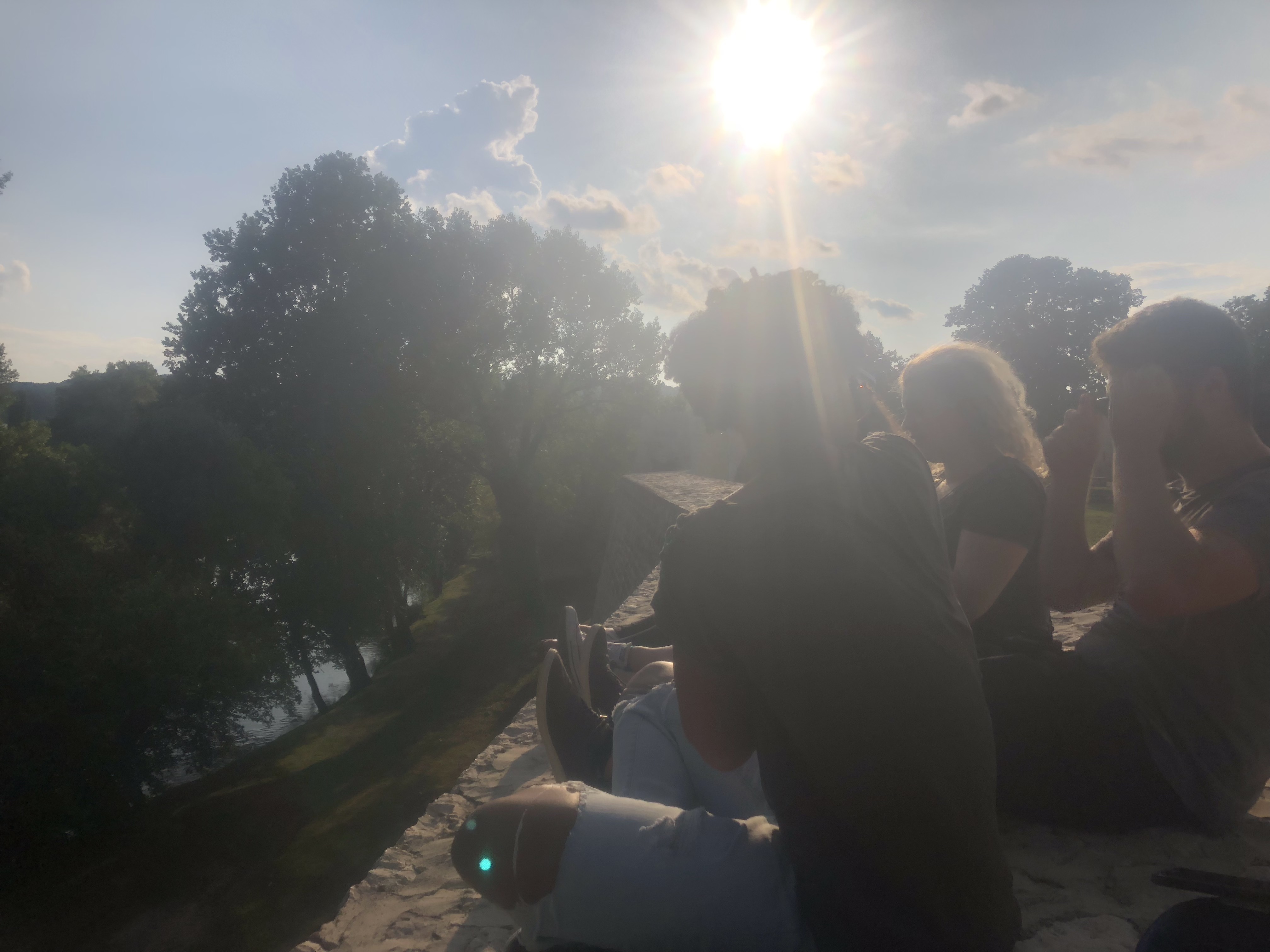
When looking back on my time in Sarajevo, one of the things I was most shocked by was the people I met. I think it might have been because of what little I knew about this region before coming here or because of hearing my parents freak out about the idea of me coming here, but I was not expecting the people to be so welcoming. While I obviously did not meet everyone in the city of Sarajevo, everybody who I did have conversations was extremely nice and open about their experiences when I would ask them questions. Although I know that there are still horrible people in the world (ie the person who stole my wallet!!), I was glad to see the good in people who had experienced such hardships.

Of all the Bosnians I talked to, I talked to Klerija, a hotel employee, almost morning. The “Bosnian Mama,” as she referred to herself, was a refugee from the war. Prior to the war, she worked for TV Sarajevo, but once fighting broke out, she moved to New Jersey with her husband through a US-sponsored program. When she returned to Sarajevo, the only job she could find was one working for the Courtyard Marriott. One of the things that I found most interesting about her was how she said that she felt indebted to the United States due to their support during the war. I feel as though if I were in the same position as her, I would not have those same feelings. I don’t think that I would have the same reaction. While I would be grateful for the assistance, I just can’t seem to understand that sense of indebtedness. Obviously, I have not experienced war first-hand, but I was still shocked by that.
In addition to Klerija, I also spoke with Juliet, the laundry lady, and Namik, a jewelry maker, on multiple occasions. Both of them were nothing but nice and pure, and I am grateful that they told me everything that they did. Obviously, all three of these people were there to do something for me in some way, but I thought that they were very open about what they went through and how they have recovered from the war. I believe that my interactions with them was one of the most rewarding experiences in Sarajevo because I was able to see how the war affected regular civilians. While we were able to talk to a variety of people who were involved, I really enjoyed being able to talk to normal people who don’t seem to hold grudges about what they had to go through.
HDZ Speaker in Mostar

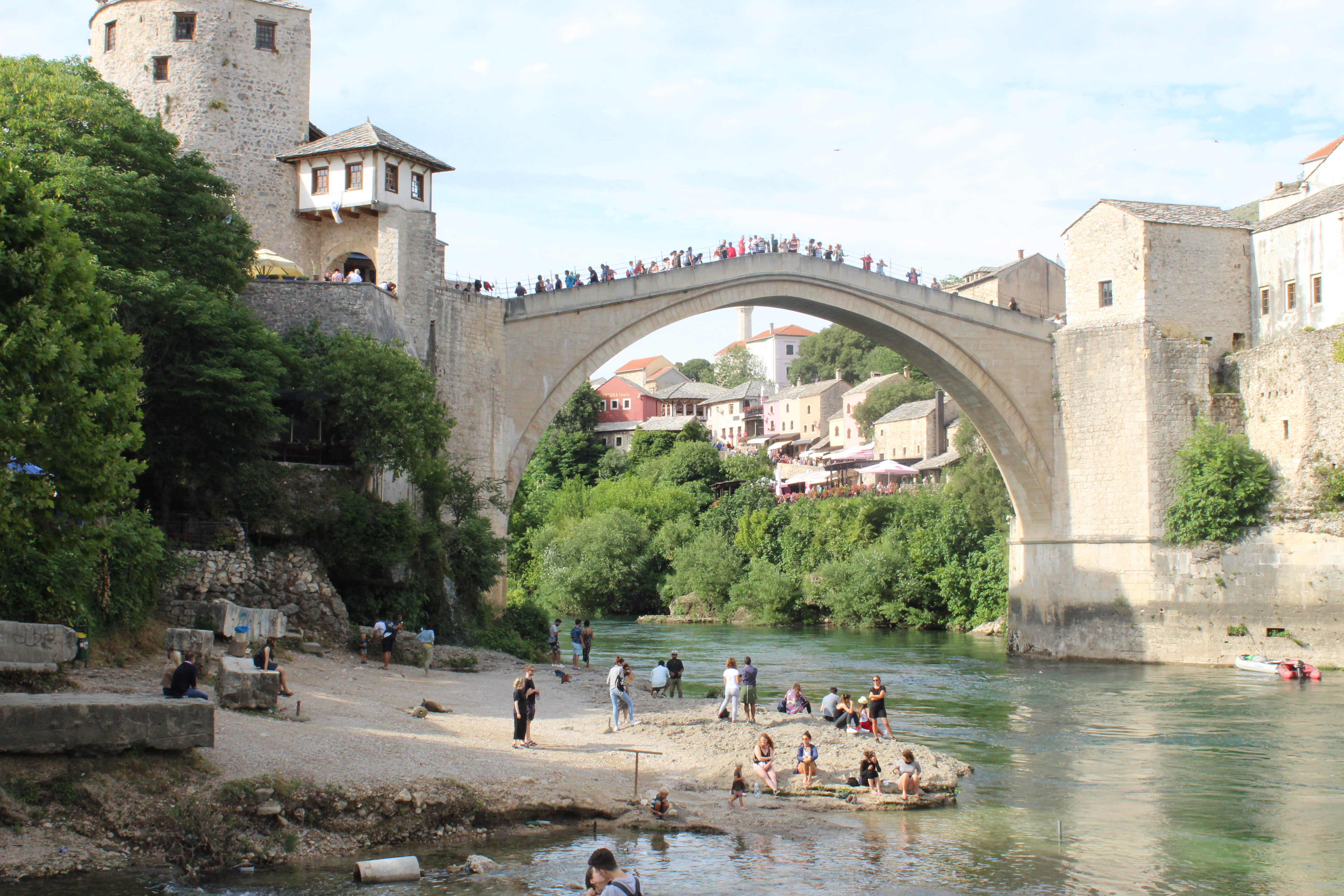
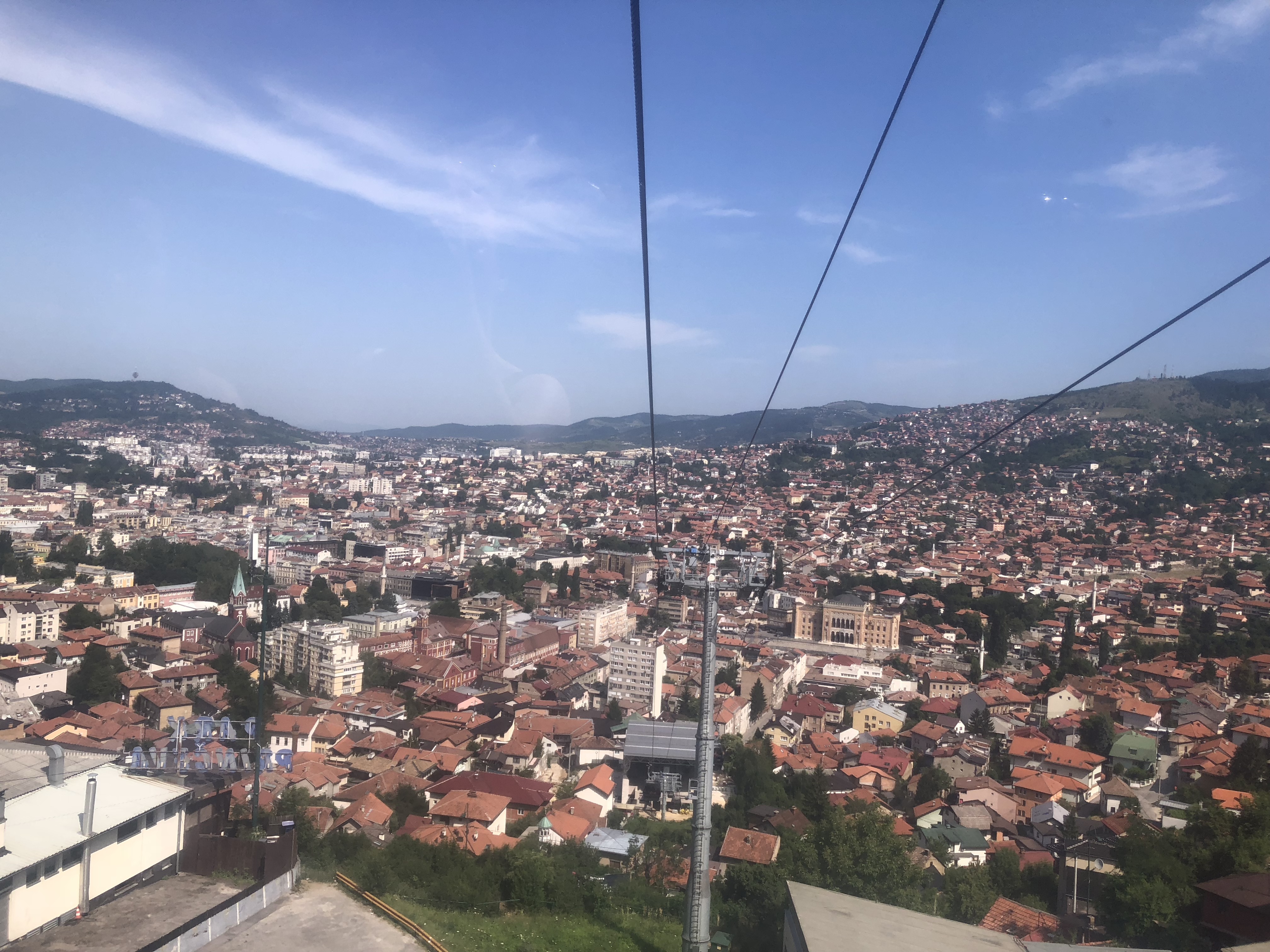
            When looking back on the trip to Mostar, the discussion with the Croat political party representative was one most memorable parts. The reason that the talk with the Croat stuck out so much to me had to do with the fact that I agreed with almost nothing that he said. While I do agree that there needs to be serious changes to the political system to ensure productivity and cooperation to better the country, I do not agree with his argument that Croats need more representation. When he specifically mentioned that he values gaining more political representation over other pressing issues, such as the high unemployment rate and the economic issues, I was shocked. It seemed as though he actually tried to avoid discussing those issues by changing the topic to what he assumes would appeal to a younger audience, such as the beach and skiing. I believe that there needs to be serious reforms to Dayton, but I understand that that is extremely difficult. However, Croats make up a significantly smaller proportion of the population compared to the other groups, and yet they demand the same amount of representation. While I do believe that all groups need to be represented, there need to be considerations for those with larger demands. Also, I still do not understand why none of the proposed changes to electoral law include representation of other minority groups, such as Jews and Roma.

In addition, their proposed electoral changes are not going to be approved by other groups given the future negative implications. While he did say that the Croats would not want to pursue their own state if they are stable in their political position, I struggle to believe that given the rise of right-wing nationalism in the Croat community.  The speaker wouldn’t even explain how they propose to change the law. While he did say that it would have to take place in the House of Peoples and House of Representatives, he did not explain the actual content that would be changed and how it would be implemented. Overall, I thought it was interesting to hear his party’s position, but I do not think that it would prove to be effective in practice.

Srebrenica

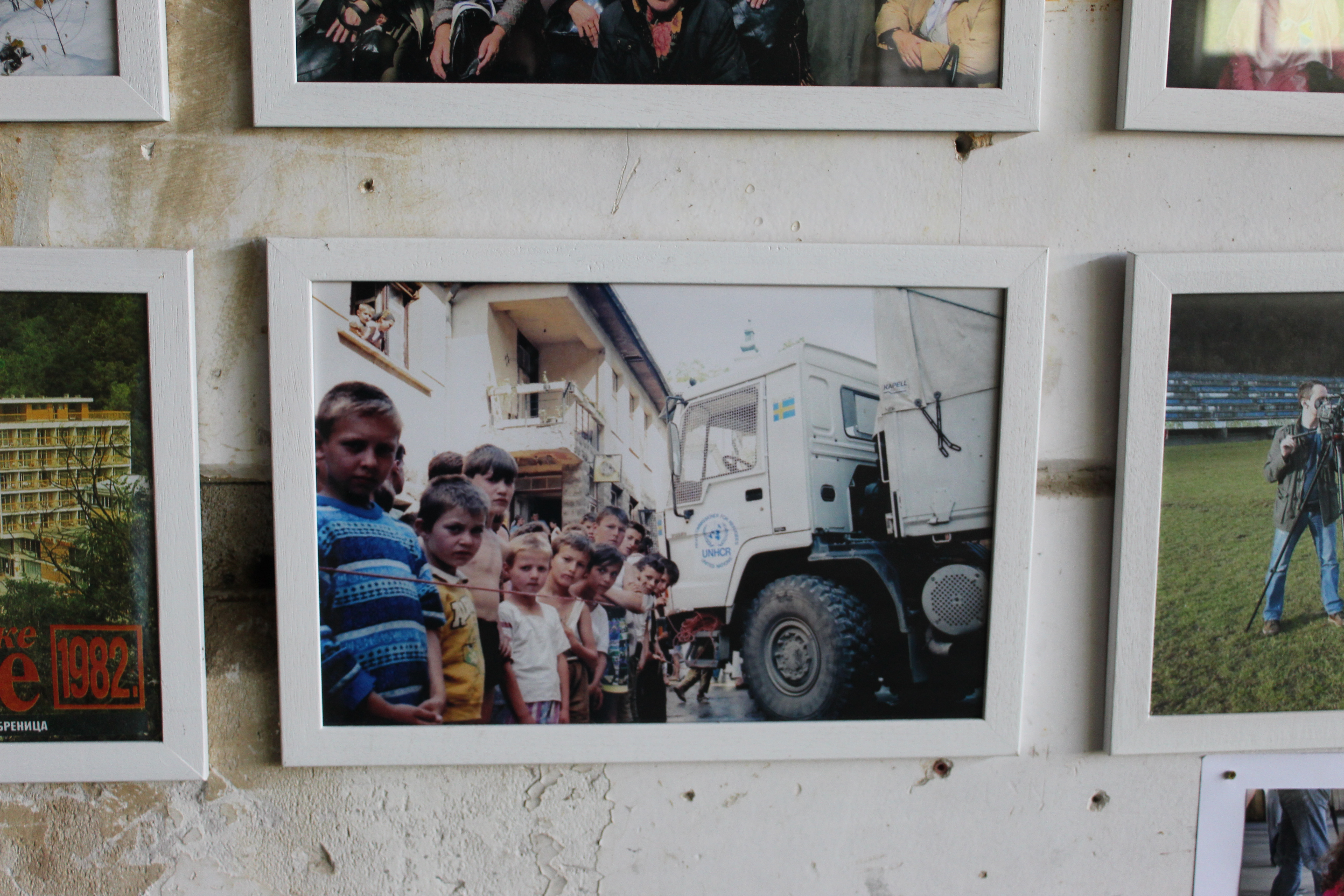
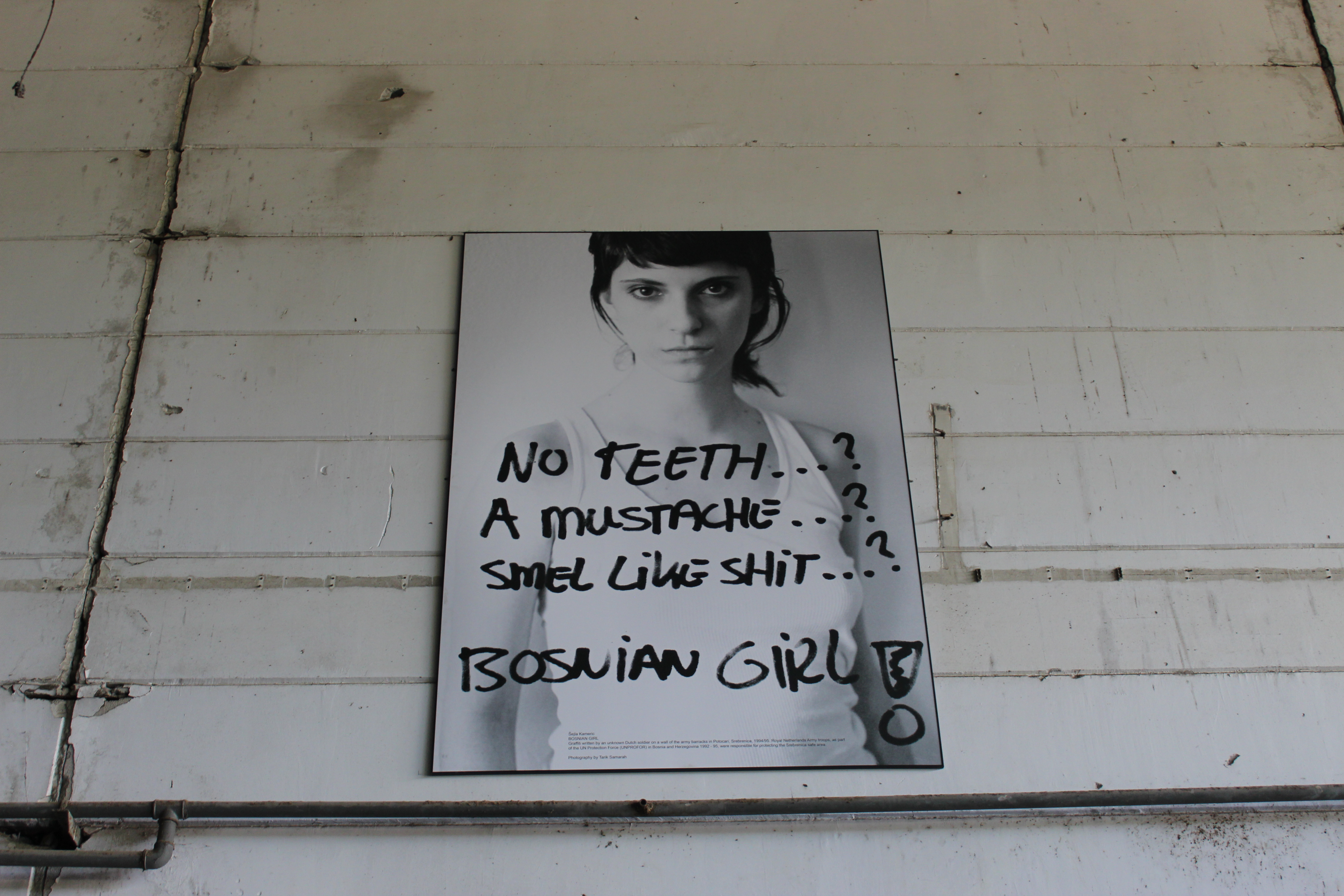
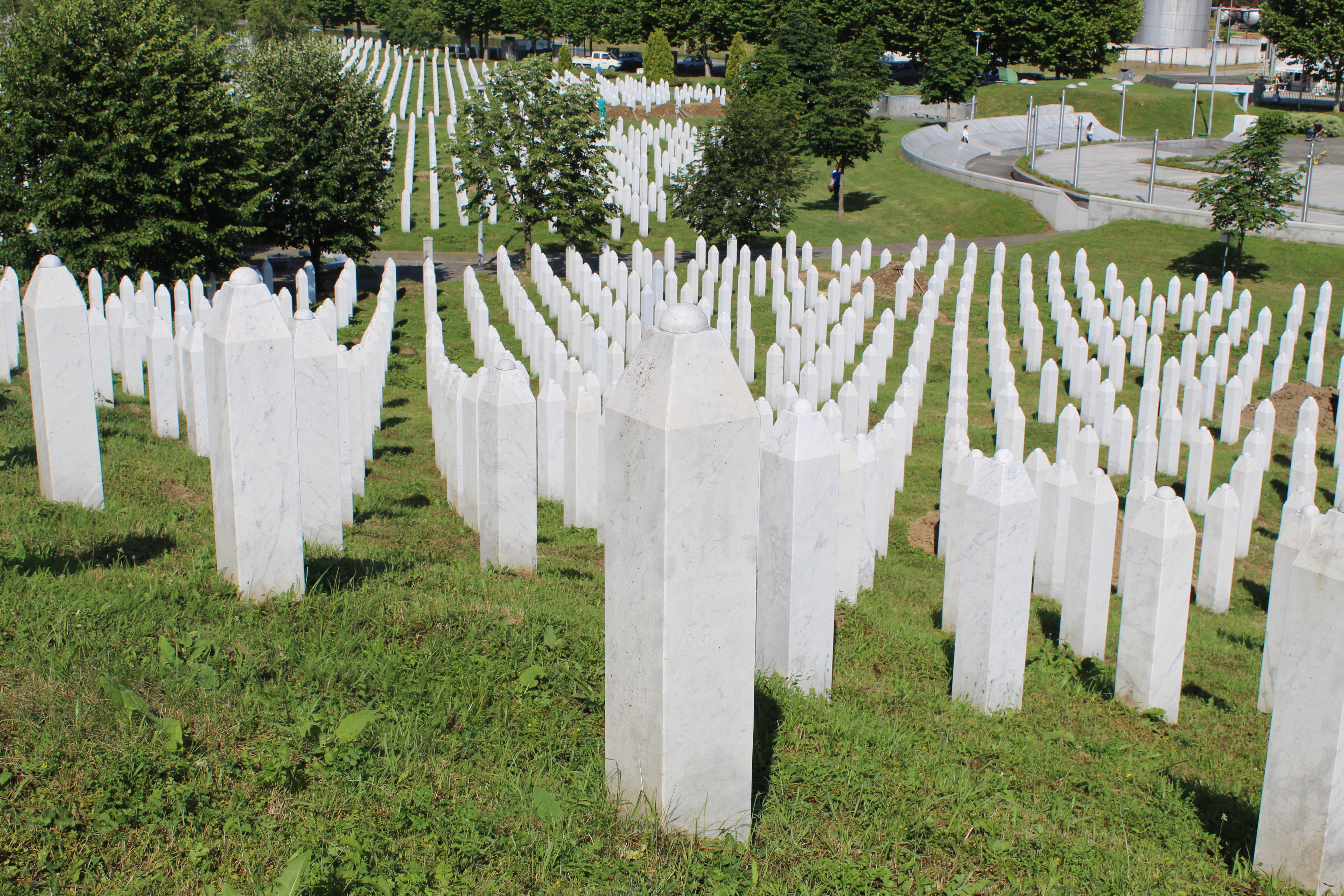
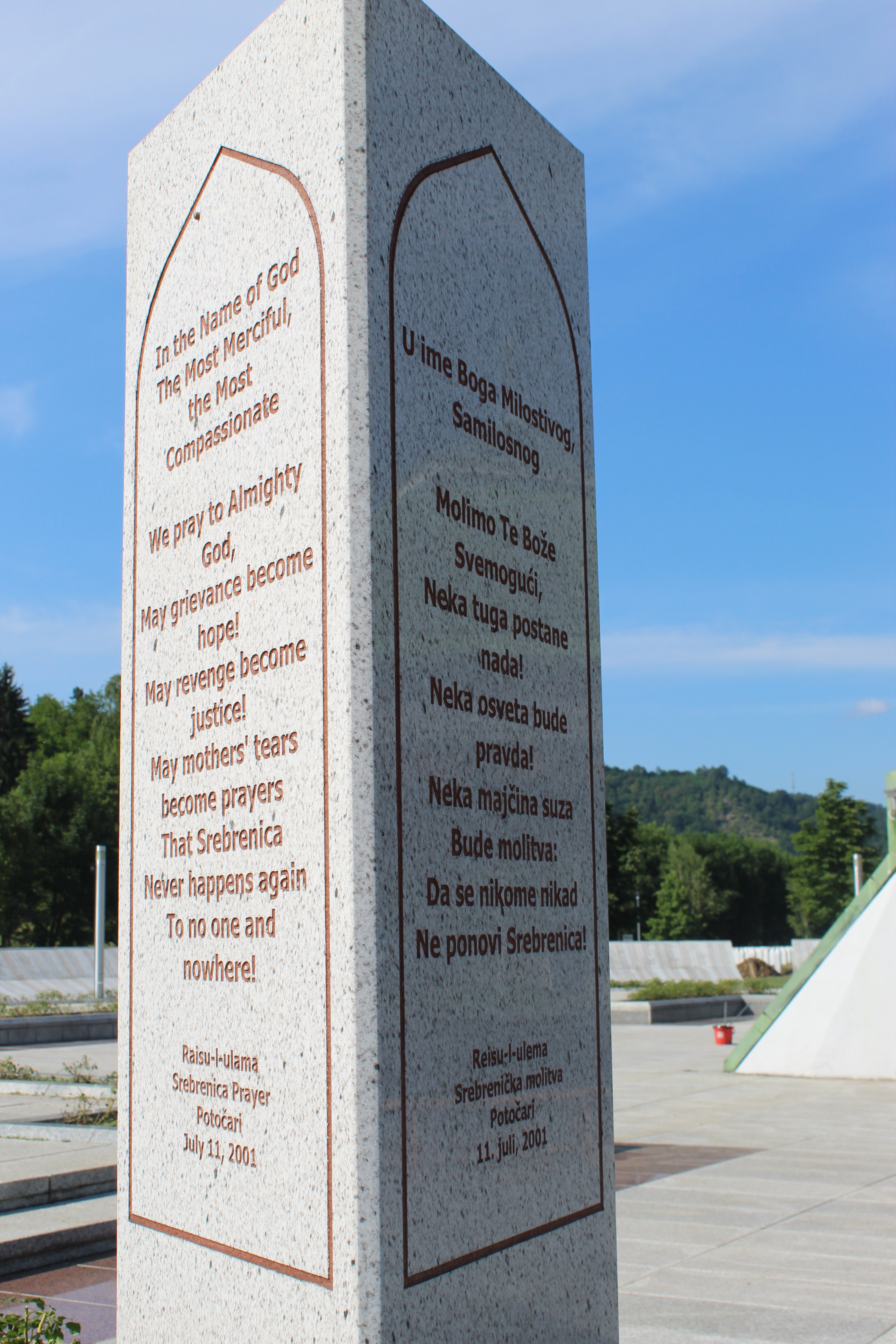
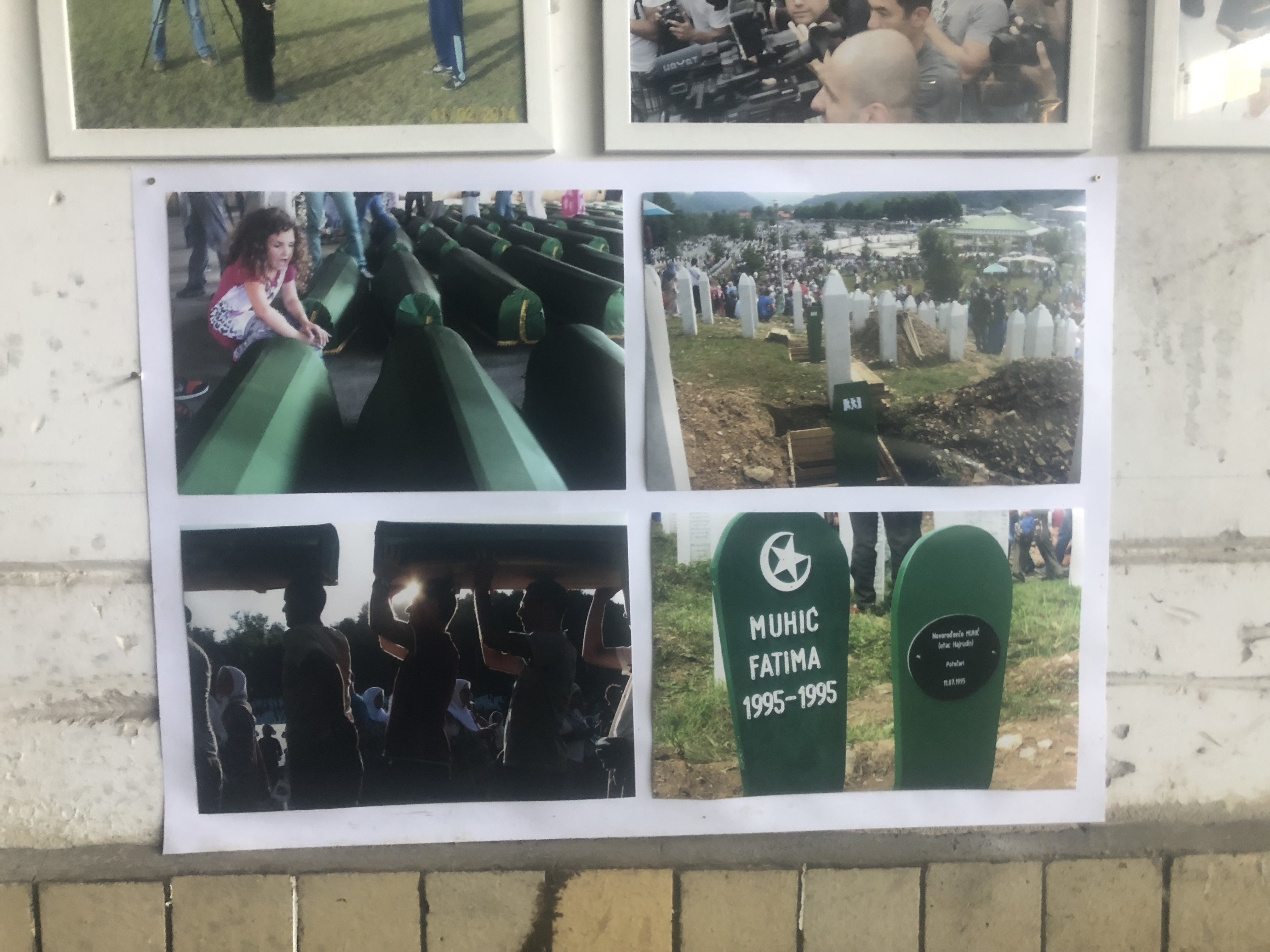
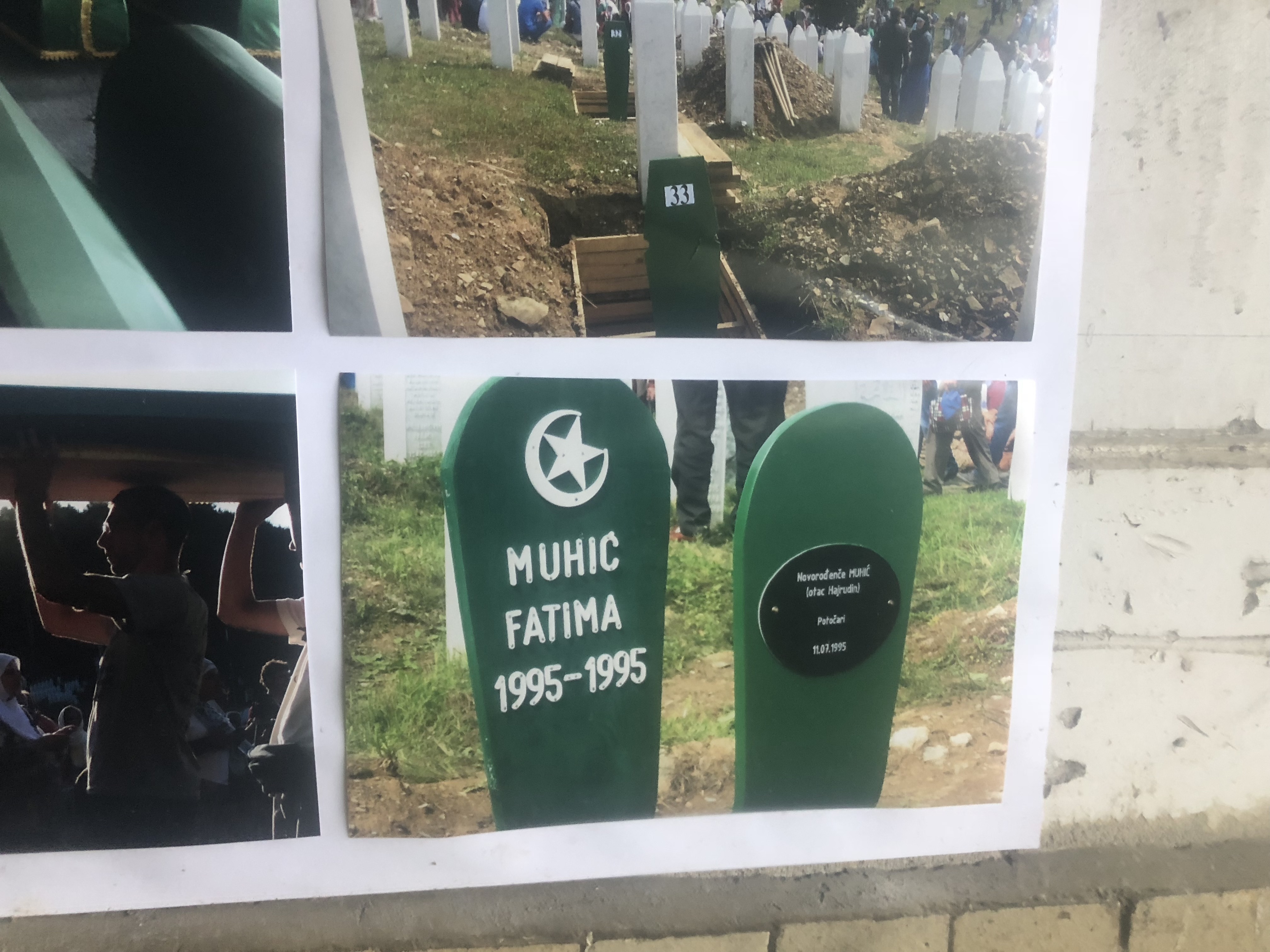
Before coming to Srebrenica, I was absolutely dreading it. After hearing the genocide survivor last week and everything that he had to endure, I did not think I was prepared to see the memorial depicting the tragedy. I found that the hardest part of today was seeing how children were killed during this tragedy. Specifically, Witness DD’s testimonies, depicted both in the video and written in the museum, stuck out to me. In the first room we were in, there was a quote from her explaining how she has to cover her eyes when she sees other children going to school because it reminds her of the loss of her little boys. In the video, she discussed the exact moment her son was separated from her, and hearing the pain in her voice struck a chord inside of me. Growing up, I’ve always heard the saying that no parent should have to bury their child, and just imagining the ongoing suffering of her loss is near impossible for me.

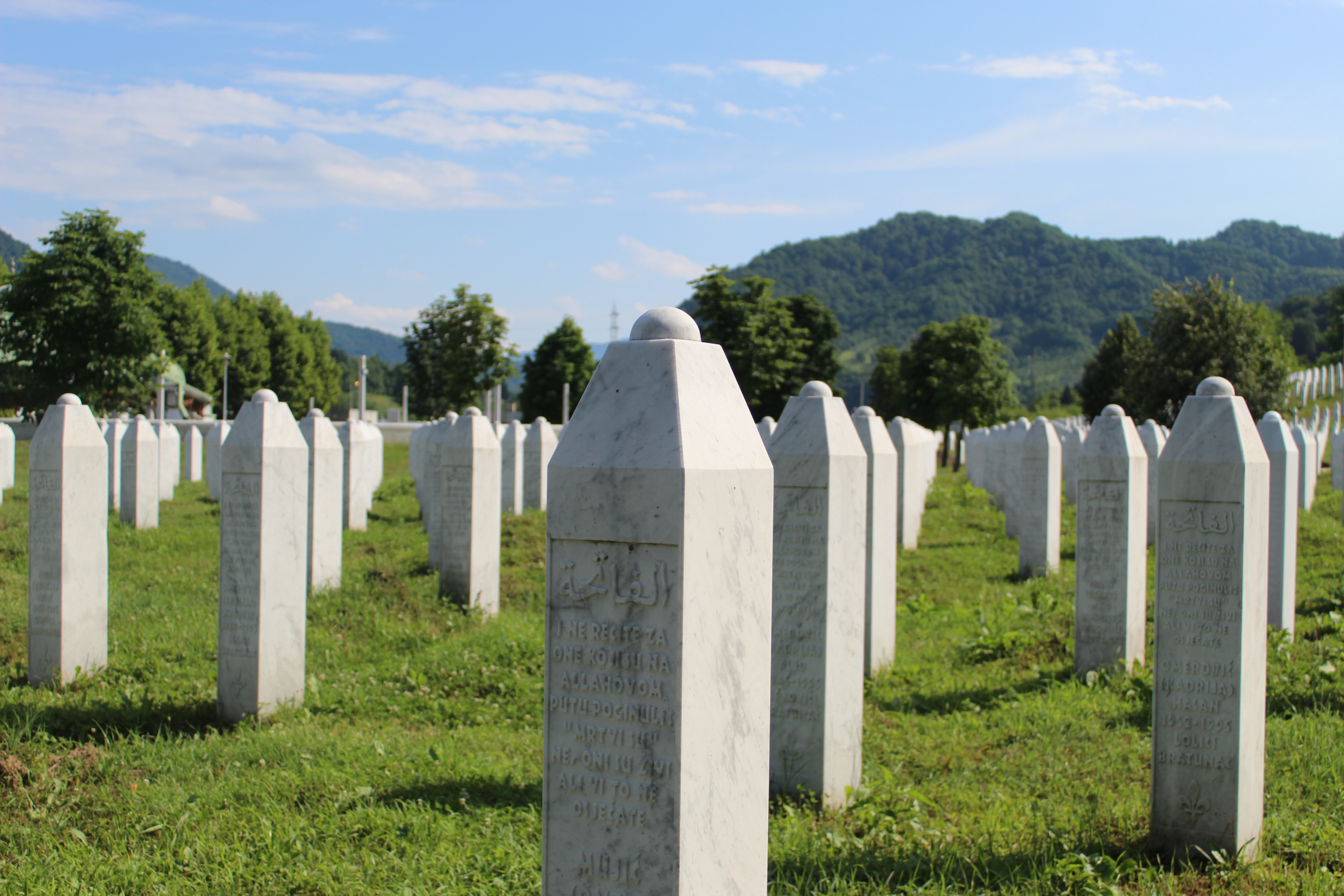
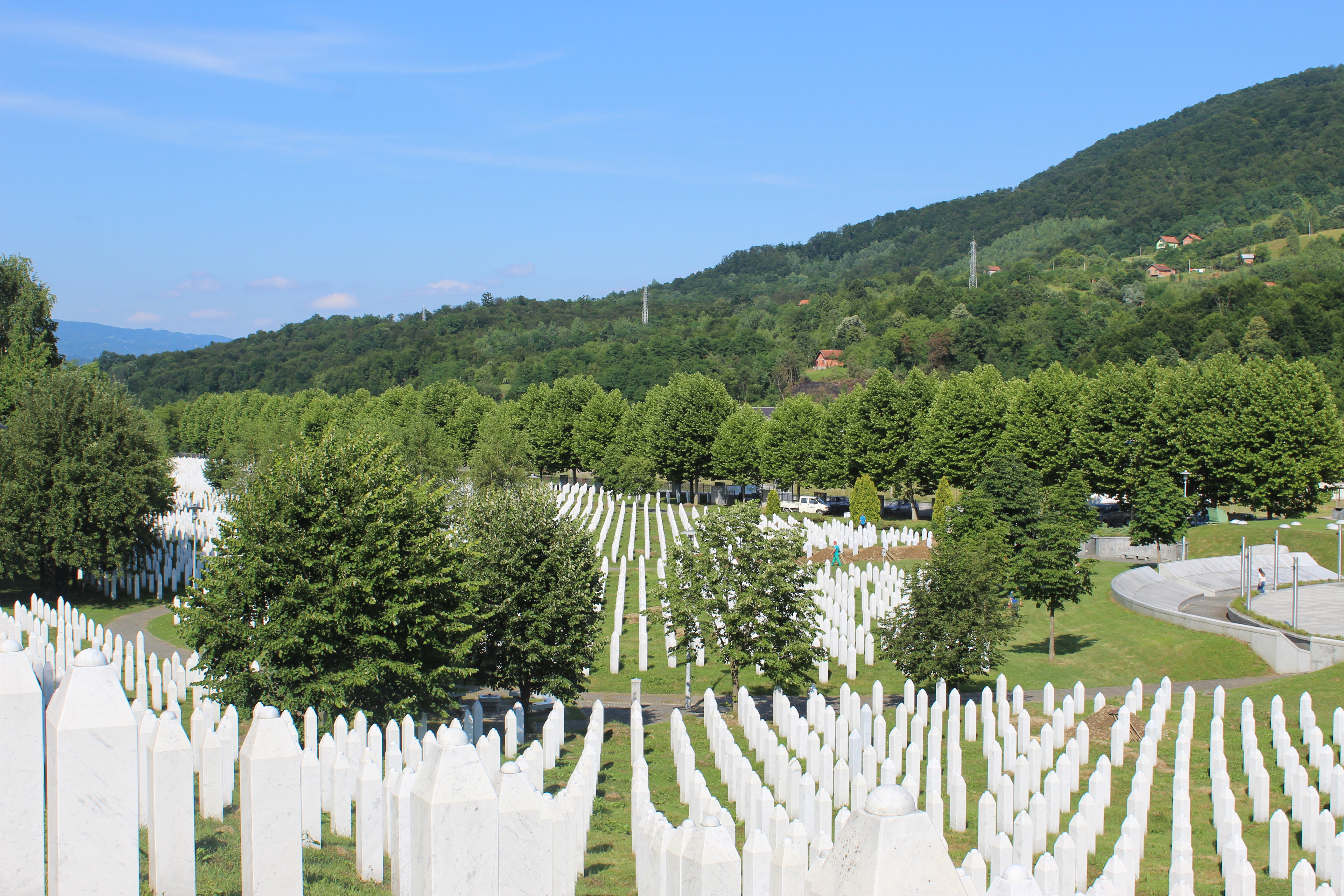
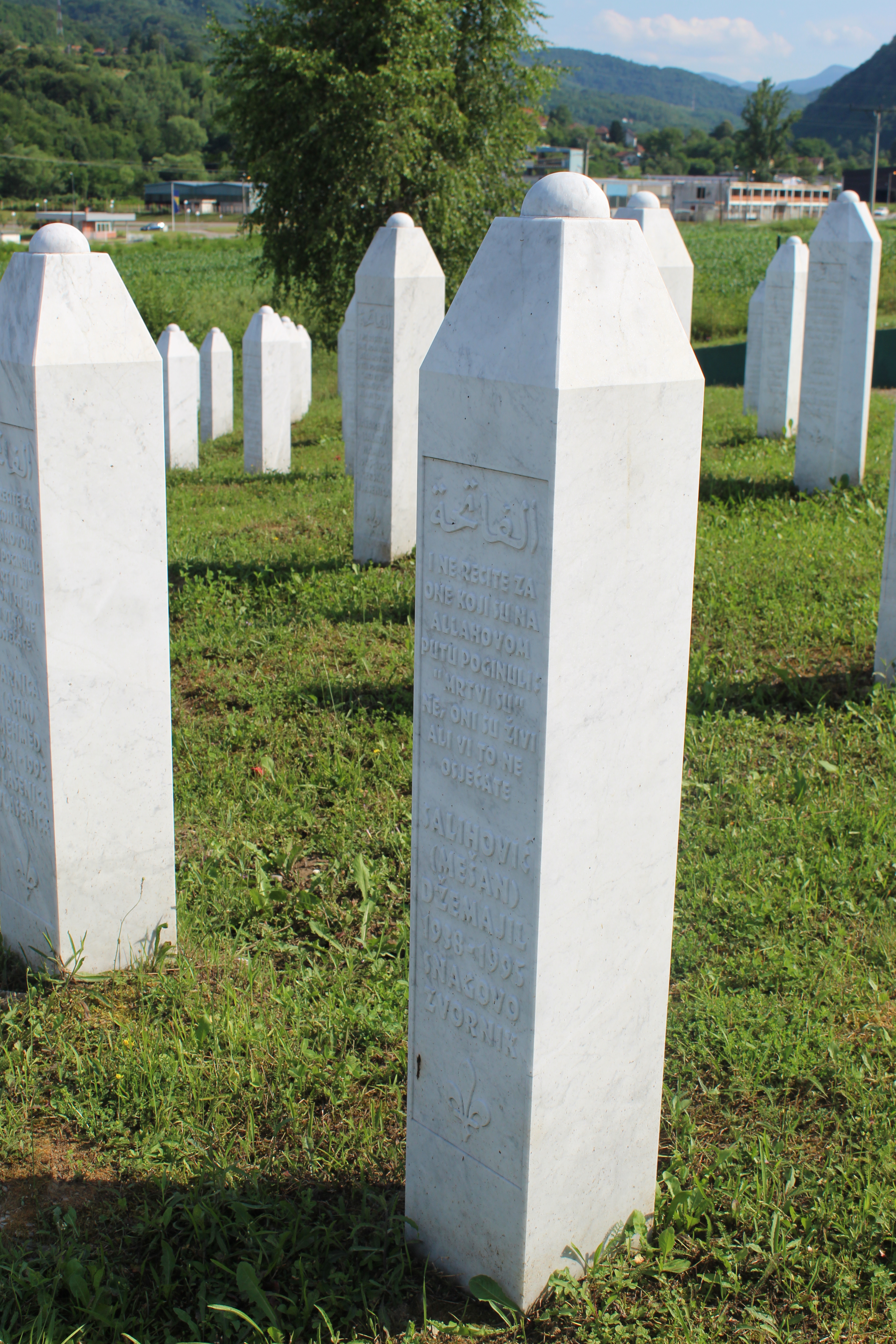
When walking through the cemetery, I had a lot of trouble grasping the age at which many people died. Based off of the tombstones, the youngest boys were about 15 years old and the oldest was 78 years old. I did not, however, look at all of the tombstones so the age range is much greater. I know that there was a 1-year-old who perished. When I saw that there were so many people around my age, I was absolutely shocked. I am eighteen years old now, and I do not know how I would be able to go through something as traumatic as a genocide. Seeing the many tombstones of the young boys was so difficult for me because I felt a connection to them in regards to our age. I know that there are very few ways in which I can form a connection to them given what they went through, but that was really hard for me.

As difficult as going to Srebrenica was for me today, I am so grateful for the experience. There is something so different between hearing about something like this in the classroom versus hearing about it from survivors while standing in the area where it took place. I think that this is definitely going to be something that I struggle to comprehend for years to come, but I want to tell people about this. I want people to know about the tragedy that occurred in Srebrenica. People have to know that this has happened before and it is happening now in other places. I believe that we have an obligation to raise awareness and do something about it, even if it’s just sharing the story.

First Days in Sarajevo

When I first decided to apply to this Dialogue, I knew absolutely nothing about this region, whether it be in regard to its rich culture and history or its present state. Within the first few days of being here, I have already learned so much.

In regards to cultural practices, I am shocked by the relationships between the Bosniaks, Serbs, Croats, and other groups within Bosnia. While there appears to be relative peace within the city of Sarajevo, based off of my limited time here, there are obviously still remaining tensions from the war. The first time I was able to identify this was when I learned that the Bosnian, Serbian, Croatian, and other languages are only superficially different. While there are certain differences between words, pronunciations, and other aspects of speech, they are the same language.

After learning more about people’s specific experiences from the war, specifically from the commander at Žuč Hill and the Srebrenica genocide survivor, the war that took place over two decades ago seemed more real to me. It is one thing to learn about war in the classroom, and it is a completely different thing to learn about it while standing next to the same trenches that the commander fought in while defending Sarajevo from the Serbs.

In regards to the latter speaker, I found it extremely difficult to try to imagine what he had to experience and how he has coped with it over the years. Specifically, I am still struggling to understand the motivations of certain actors. I do not understand why the Dutch UN Peacekeepers would allow the Serbs to murder all of the Bosniaks who were in their custody while they had the ability to prevent it. While I found his talk to be exceptionally insightful to this horrible event, I feel as though there were many missing pieces. I understand that this was a traumatic experience for him and that it is extremely difficult for him to share, but it seems as though there was information that could have only come from other perspectives.

In regards to the debate over whether or not this was a genocide, I think that it would be extremely beneficial to hear from the Serbs who were fighting. I do not think that it can be argued that this event was not a crime against humanity, but the UN definition of genocide specifically states that it includes the “intent to destroy, in whole or in part, a national, ethnical, racial or religious group” and lists five acts that it consists of. The definition specifically targets groups, not individuals. The most difficult part of determining what actually took place seems to stem from whether or not the intent was to destroy the Bosniaks. I personally do not think that I know enough about what specifically happened from an unbiased standpoint to come to a conclusion, but I think that speaking with a member of the Serb forces would be interesting as we would be able to see the opposing side of the story.